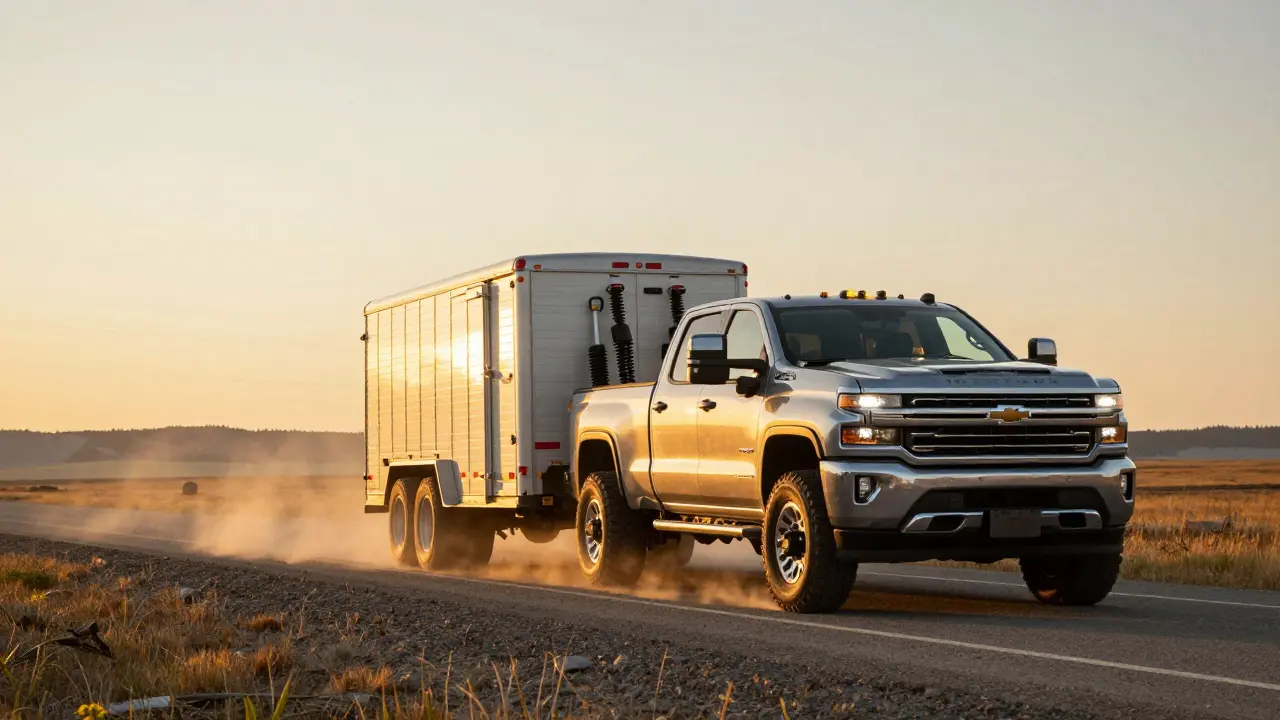
Car Recall Notifications: Stay Safe and Avoid Costly Repairs
When a car recall notification, an official alert from a vehicle manufacturer or safety agency about a dangerous defect that needs fixing. Also known as vehicle recall, it’s not just a letter in the mail—it’s a lifeline that could prevent a crash, fire, or serious injury. These aren’t optional reminders. They’re mandatory fixes backed by federal law. Ignoring one doesn’t just risk your safety—it can void your warranty, lower your resale value, and even get you fined in some states if the defect leads to an accident.
Most recalls happen because of hidden flaws you can’t see: a faulty airbag that explodes instead of inflating, a brake line that corrodes silently, or a software glitch that disables your automatic emergency braking. The manufacturer recalls, when automakers identify a defect and notify owners to bring the vehicle in for a free repair. These aren’t random. They’re tracked by the National Highway Traffic Safety Administration (NHTSA), which forces companies to act when a pattern emerges. For example, Takata airbag recalls affected over 70 million vehicles worldwide because of a design flaw that sent shrapnel into cabins. That’s not a rumor—it’s a documented safety crisis.
You don’t need to wait for a letter. recall checks, the process of verifying whether your vehicle has open safety issues using its VIN. are fast, free, and should be done every six months. Just type your 17-digit VIN into the NHTSA website or use your car’s built-in telematics system if it’s connected. Many owners don’t realize their 2018 SUV has an open recall because they moved, changed email, or assumed the dealer handled it. Dealers aren’t required to notify you unless you bought the car new. Used car buyers? You’re on your own. That’s why checking before you buy—or even after you’ve owned a car for years—is critical.
Not all recalls are urgent, but some are. A defective fuel pump might cause your engine to stall on the highway. A broken steering column could make you lose control. And if you’ve had your car serviced at a shop that doesn’t use factory parts? That recall might be useless if they didn’t install the correct replacement. Always confirm the repair was done with OEM parts and ask for written proof. Keep that receipt. It’s your insurance against future disputes.
Car recall notifications aren’t about fear—they’re about control. You can’t stop a part from failing, but you can stop it from hurting you. By staying informed, acting fast, and knowing your rights, you turn a passive warning into an active shield. The posts below cover real cases: how a motorcycle recall saved a rider’s life, why some recalls are ignored for years, how to spot fake recall alerts, and what to do when a dealership refuses to fix your car for free. These aren’t theory—they’re stories from people who learned the hard way. You don’t have to.
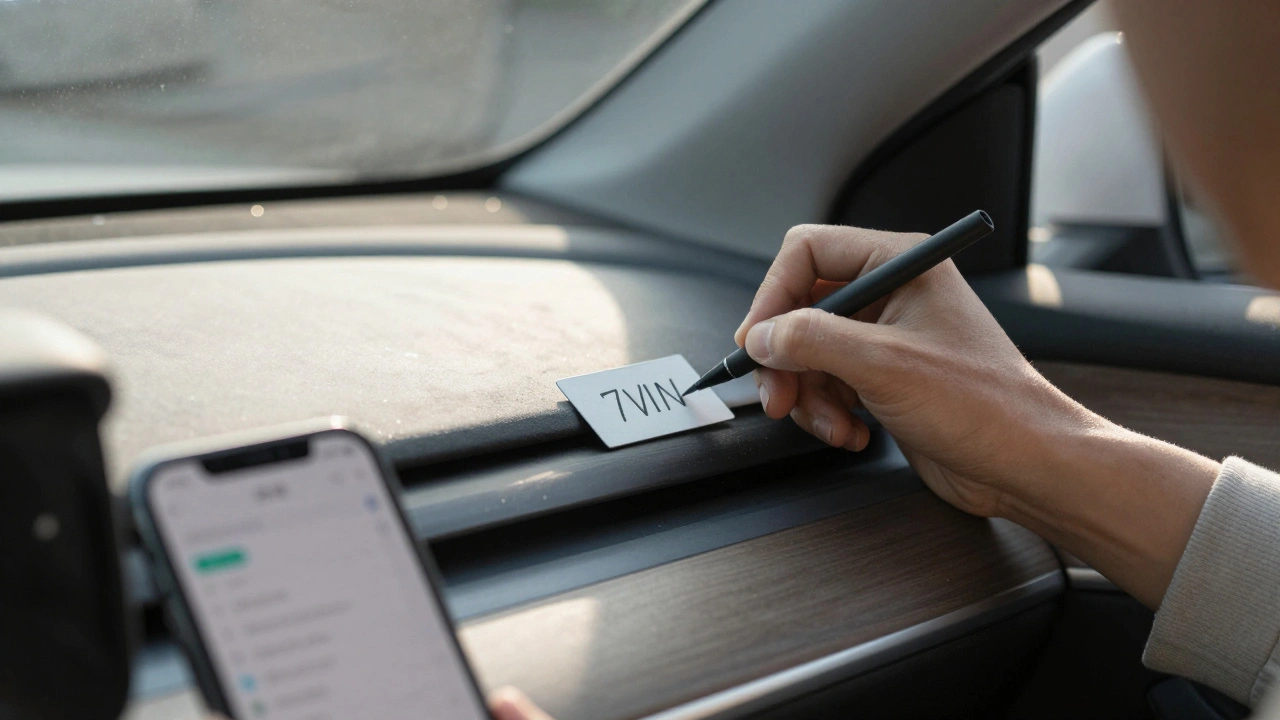
How to Register for Vehicle Recall Alerts and Notifications
- 9 Comments
- Dec, 2 2025
Learn how to sign up for free vehicle recall alerts using your VIN. Get email or text notifications for safety fixes from NHTSA and your carmaker to avoid dangerous defects.