Coasting in Cars: What It Means, When It’s Safe, and How It Affects Fuel and Safety
When you take your foot off the gas and let your car roll without engine power, you’re coasting, the act of allowing a vehicle to move forward under its own momentum without engine input. Also known as free-wheeling, it’s a technique some drivers use to save fuel, but it’s not always the smartest move. Many think coasting in neutral is the best way to cut gas costs, but modern cars with fuel injection actually use less fuel when you lift off the accelerator in gear than when you shift to neutral. The engine control unit cuts fuel completely during deceleration in gear—meaning you’re getting free miles without burning a drop of gas. Shift to neutral, and the engine idles, using fuel just to keep running.
Coasting isn’t just about fuel—it’s about control. When you coast in gear, your engine helps slow the car down through engine braking, which reduces wear on your brakes and gives you better control on hills or winding roads. Engine braking, the natural deceleration force created when the engine resists the rotation of the wheels is a key part of safe driving, especially in mountainous areas or during heavy traffic. On the other hand, coasting in neutral removes that control. If you need to accelerate suddenly to avoid a hazard, you’ll have to shift back into gear first—and that delay can cost you time, or worse, safety. Studies by the National Highway Traffic Safety Administration show that drivers who coast in neutral are more likely to lose reaction time in emergency situations.
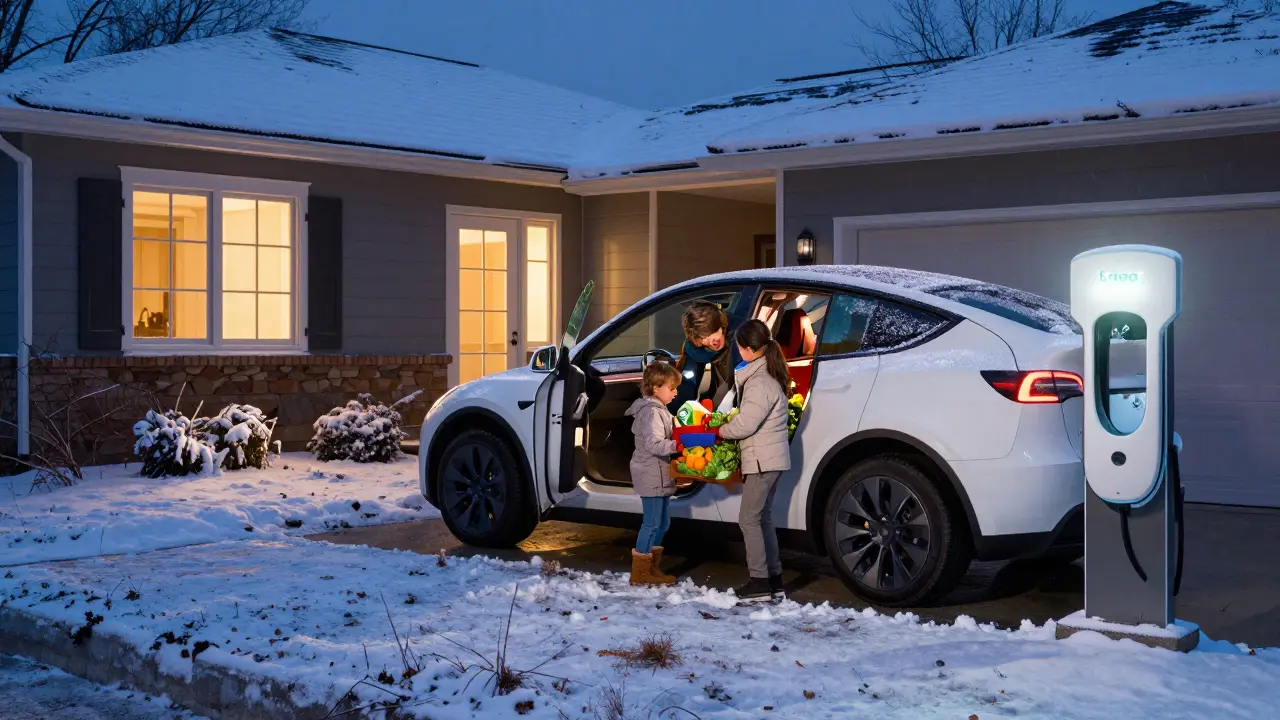
Some drivers also confuse coasting with regenerative braking, the system in electric and hybrid vehicles that captures kinetic energy during deceleration to recharge the battery. In EVs, lifting off the accelerator slows the car noticeably while recovering energy. That’s not coasting—it’s active energy recovery. Gas cars don’t do this. If you’re driving a traditional vehicle, coasting in neutral doesn’t recharge anything. It just lets you roll, often at the cost of safety and efficiency.
There are times when coasting makes sense—like rolling slowly through a quiet residential area after you’ve already slowed down, or gliding into a parking spot with no traffic around. But if you’re on a highway, downhill, or in heavy traffic, staying in gear gives you more control and better fuel economy. It’s not about saving a few cents on gas; it’s about driving smarter and staying safe.
What you’ll find in the posts below are real-world guides on how driving habits like coasting connect to bigger topics: fuel efficiency, vehicle safety systems, transmission health, and even how modern cars manage energy. From traction control and eco-driving to transmission tuning and real-world fuel savings, these articles break down what actually works behind the wheel—no myths, no fluff, just what you need to know to drive better and save money.
Hybrid Driving Tips: Master Regenerative Braking and Coasting for Better Fuel Economy
- 10 Comments
- Nov, 18 2025
Learn how to use regenerative braking and coasting to boost your hybrid's fuel economy by up to 25%. Simple driving habits that save money and reduce wear on your brakes.