Connected Car Data: What It Is and How It Changes Your Driving
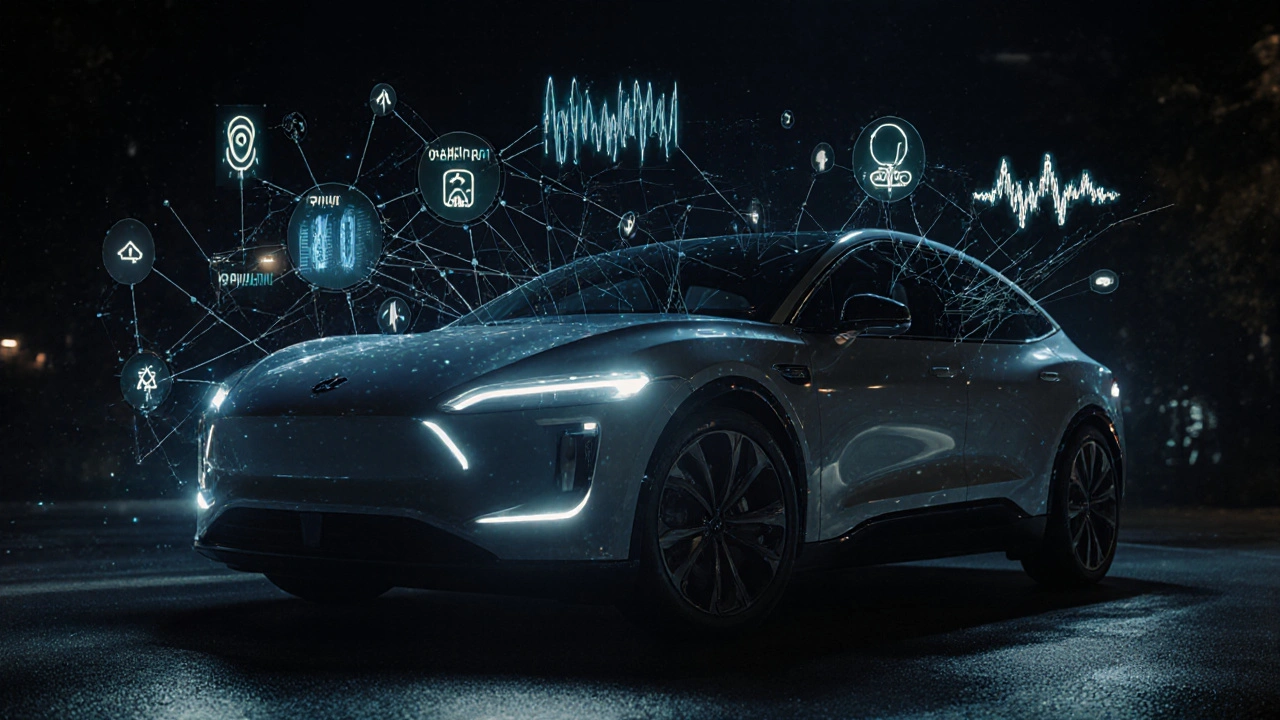
When you hear connected car data, the digital stream of information your vehicle sends and receives through wireless networks. Also known as vehicle telematics, it’s not just fancy tech—it’s the reason your car can warn you about an upcoming oil change before you even notice a sound. This isn’t science fiction. Every modern car with Bluetooth, GPS, or remote start is already sending data—your speed, engine temperature, brake use, even how hard you turn the wheel.
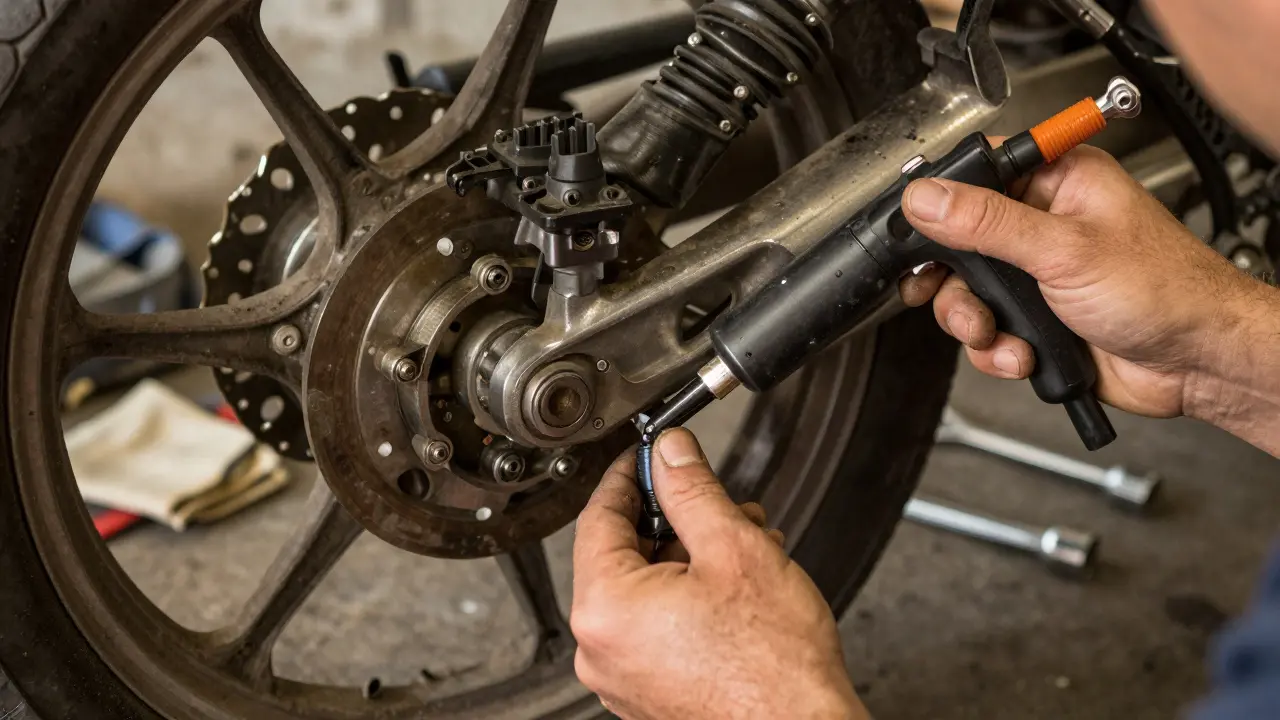
That data doesn’t just sit in the cloud. It’s used by mechanics to spot problems early, insurance companies to adjust your rates based on real driving habits, and manufacturers to push over-the-air updates that fix bugs or improve efficiency. Think of it like your car’s health monitor. Just like a Fitbit tracks your steps, your car tracks how you drive, how often you accelerate hard, and whether you’re letting the engine idle too long. And yes, that data can affect your warranty claim—if you skip maintenance, the system might log it, and the manufacturer can deny coverage. It’s not guessing. It’s recording.
Connected car data also ties into things you already care about. If you’ve ever checked your car’s diagnostic trouble codes with an OBD-II scanner, you’ve touched the same system. That little plug-in device is just one way to tap into the same data stream that your dealership sees. The difference? Now, that data can be sent automatically. No need to wait for a warning light. Your car might text you: "Battery voltage low. Schedule service." Or your insurance app might notice you’re braking sharply on every exit and suggest a defensive driving course.
It’s not all good news, though. Privacy is a real concern. Who owns this data? Can your insurer raise your premium because you drove 10 miles over the speed limit last Tuesday? Can a hacker access your location history? The answers aren’t simple, but knowing what’s being collected gives you power. You can choose to opt out of some data sharing, or at least understand what you’re giving up.
What you’ll find below are real stories from drivers and mechanics who’ve seen this data in action. From how maintenance records help get your warranty approved, to how driver monitoring systems catch drowsiness before it’s too late, to how EVs use battery telemetry to predict range—this isn’t theory. It’s what’s happening on roads right now. Whether you’re trying to save money on repairs, avoid a denied claim, or just understand why your car keeps sending alerts, the answers are in the data. Let’s break it down.