Dealer-to-Dealer Trades: How Car Dealers Swap Inventory and Save Money
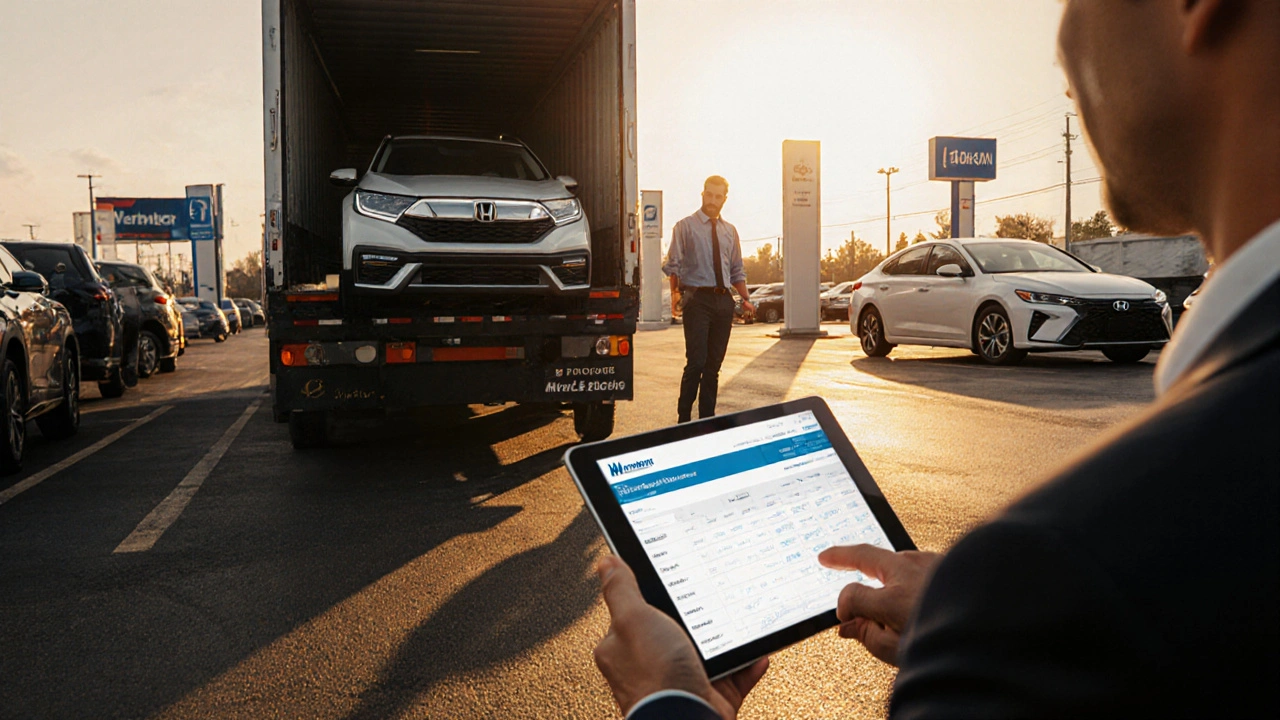
When a car dealer needs to move a vehicle that isn’t selling, they don’t always discount it—they trade it. This is called a dealer-to-dealer trade, a direct exchange of vehicles between licensed automotive dealerships to balance inventory without public sales or auctions. Also known as wholesale vehicle transfer, it’s a quiet but essential part of how car lots stay stocked with what customers actually want.
These trades happen all the time. A dealership in Florida might have too many snow tires and need more convertibles. A dealer in California has extra convertibles but too many AWD SUVs. They call each other, agree on a price, and the cars swap garages—no public listing, no advertising, no customer involved. This system keeps inventory fresh, reduces holding costs, and avoids deep discounts that hurt profit margins. It’s not a secret, but most buyers never see it. The car you’re looking at might have been traded twice before it landed on their lot.
Related to this are car inventory management, the practice of tracking which vehicles are in stock, how long they’ve been there, and how to move them efficiently. Dealers use software to flag cars sitting over 60 days. If a car hasn’t sold, they check if another dealer nearby needs it. That’s where auto dealership networking, the informal but powerful web of relationships between dealers who regularly trade vehicles comes in. These networks run on trust, phone calls, and apps—not public listings. And when it comes to used car wholesale, the bulk buying and selling of pre-owned vehicles between dealers, often at prices below retail but above auction rates, dealer-to-dealer trades are the backbone. You won’t find these deals on CarMax or Autotrader. They happen behind the scenes.
Why does this matter to you? Because the car you’re considering might have been traded to fix a bad fit. Maybe it had too many miles for that dealer’s market. Maybe it was a demo that never got sold. Or maybe it was just the wrong color. That doesn’t mean it’s a bad car—it just means it was moved because of inventory logic, not quality. Knowing this helps you ask better questions. Did this car come from another dealer? Why? What was its history before it got here?
Dealer-to-dealer trades are fast, quiet, and efficient. They keep the used car market flowing. And while they don’t always show up on vehicle history reports, they’re a normal part of the process. If you’re shopping used, don’t assume a car that changed hands between dealers is damaged or problematic. Often, it’s just the opposite—it’s a well-maintained vehicle that got passed along because someone else needed it more.
Dealer-to-Dealer Trades: How to Fill Inventory Gaps Quickly
- 11 Comments
- Nov, 28 2025
Dealer-to-dealer trades let auto dealers quickly fill inventory gaps by swapping vehicles directly with other dealers. Learn how to use this fast, low-cost method to turn slow sellers into high-demand stock.