EV Battery Capacity: What You Need to Know About Range, Longevity, and Real-World Performance
When you see an electric car advertised with a EV battery capacity, the total amount of energy a battery can store, measured in kilowatt-hours (kWh). Also known as battery size, it directly controls how far you can drive before needing to plug in. But here’s the thing: a 75 kWh battery doesn’t mean you’ll always get 250 miles. Real-world range depends on weather, driving style, terrain, and even how old the battery is.
Battery degradation, the slow loss of capacity over time as lithium-ion cells wear out is real. Most EVs lose 5-10% of their original capacity in the first 5 years. That’s why a Model Y bought new with 300 miles of range might only deliver 270 after five years of regular use. It’s not broken—it’s just aging, like a phone battery. And while manufacturers often guarantee 70% capacity after 8 years, that’s still a big drop if you’re counting on full range for road trips.
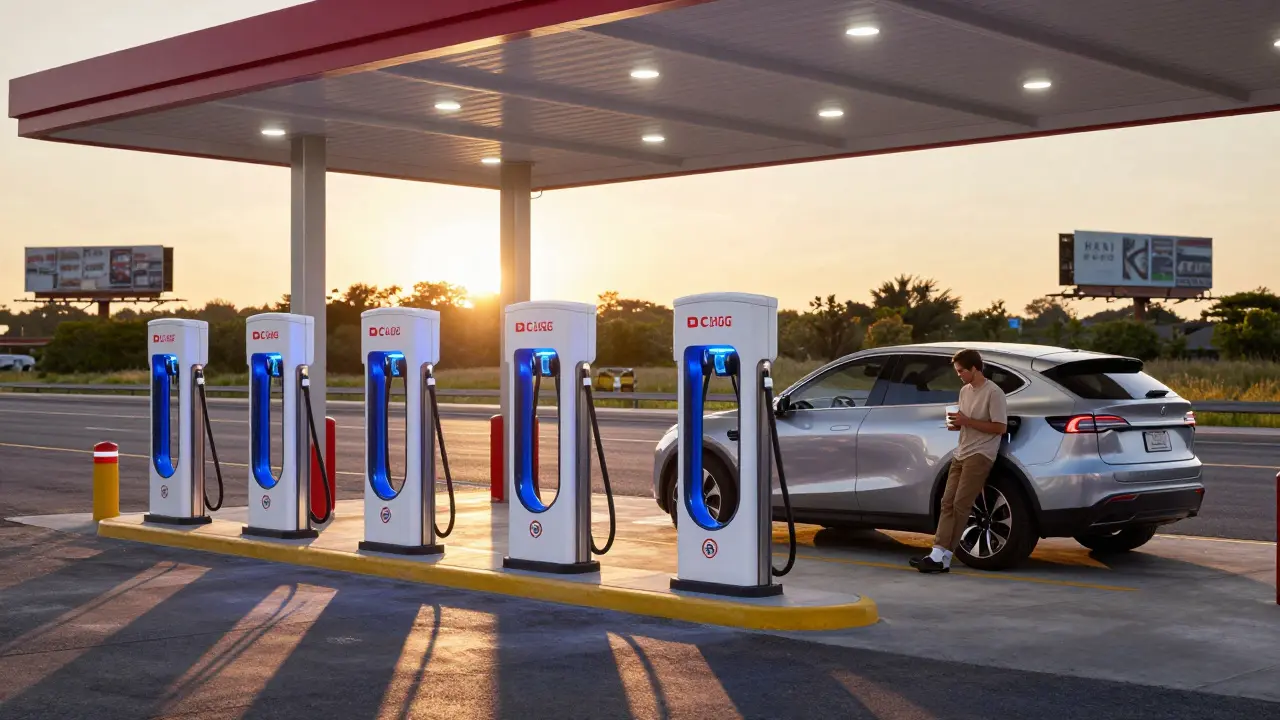
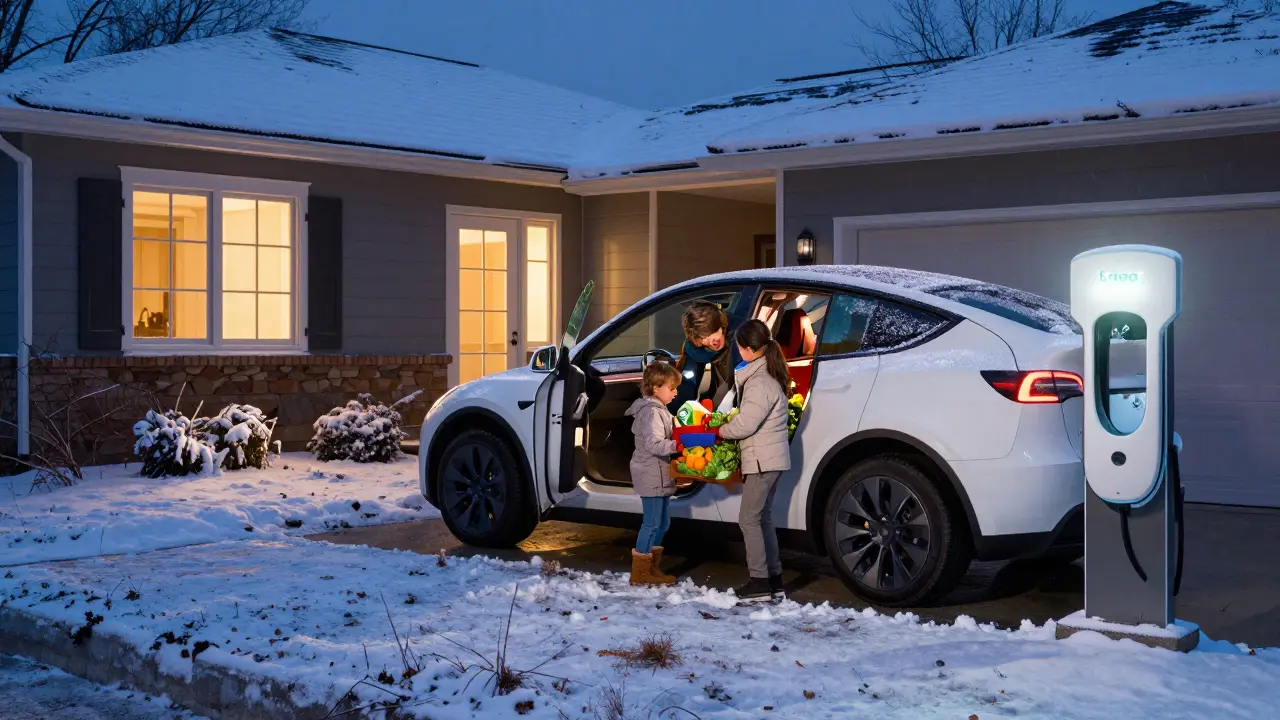
EV charging, how you refill the battery, affects both speed and long-term health. Fast DC chargers are great for road trips, but using them every day can speed up degradation. Most experts say sticking to Level 2 charging (240V home units) for daily use and saving DC fast charging for emergencies helps batteries last longer. And don’t forget temperature—cold weather can temporarily slash your range by 20-30%, and extreme heat over time damages cells permanently.
Two cars with the same battery size can feel totally different on the road. One might be a heavy SUV with poor aerodynamics. Another could be a light sedan with regenerative braking that recovers energy when you slow down. That’s why electric vehicle range, the actual distance you can drive on a full charge under real conditions isn’t just about kWh—it’s about efficiency. A 60 kWh Tesla might outpace a 70 kWh SUV because it’s lighter, smoother, and smarter about energy use.
When you’re shopping for an EV, don’t just look at the headline number. Ask how much range you’ll actually get in winter. Check reviews for real-world tests, not EPA estimates. See if the warranty covers capacity loss, not just mechanical failure. And think about your daily drive—do you need 300 miles, or is 150 enough if you charge overnight?
What you’ll find below are real stories and data from people who’ve lived with these batteries. You’ll see how driving habits affect longevity, why some EVs hold their range better than others, and how to stretch every kWh you’ve got. No fluff. Just what works—and what doesn’t—when your battery is the heart of your ride.
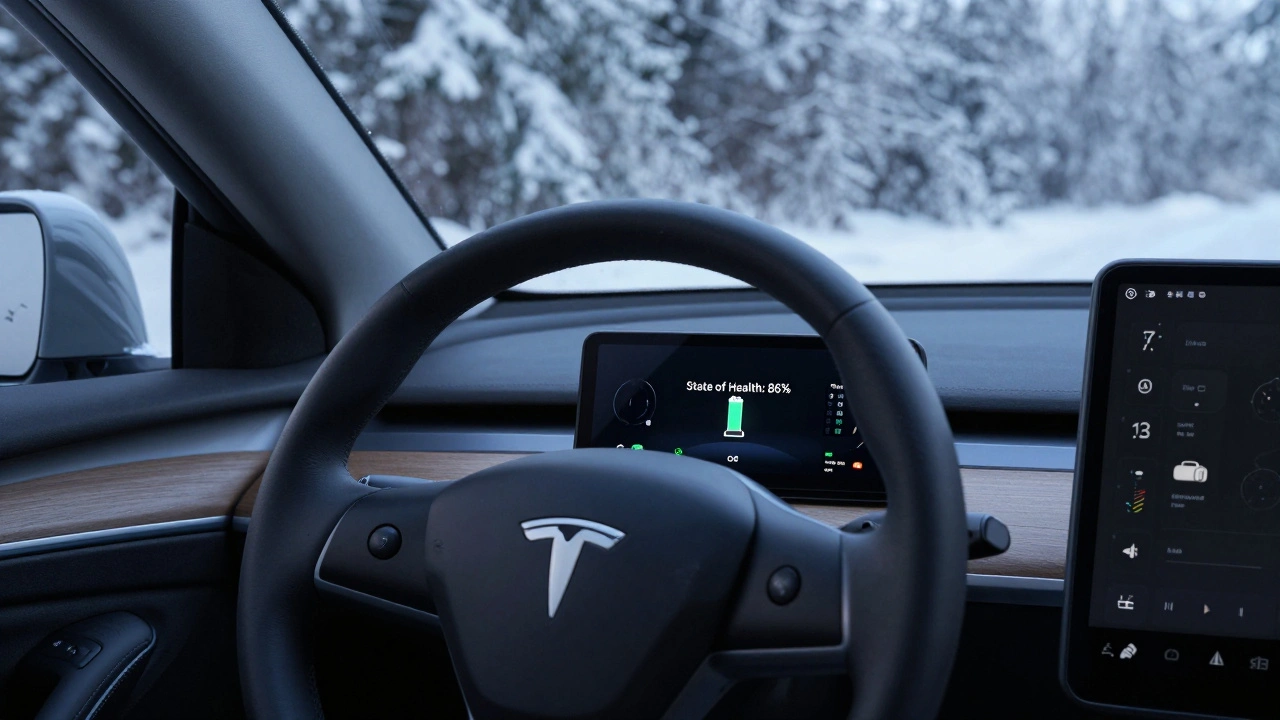
EV Battery Explained: Capacity, Range, and Degradation
- 13 Comments
- Dec, 4 2025
Understand how EV battery capacity, range, and degradation really work-what affects them, how to measure them, and how to make your battery last longer without overpaying or overcharging.