Grey Water Van: Essential Tips for Safe and Legal Waste Management on the Road
When you live on the road in a grey water van, a vehicle modified for mobile living that collects wastewater from sinks, showers, and sometimes washing machines. Also known as wastewater system, it’s one of the most overlooked but critical parts of van life. Unlike black water (toilet waste), grey water comes from everyday use—washing dishes, showering, even doing laundry. It’s not toxic, but it’s not clean either. Left sitting too long, it smells, breeds bacteria, and can damage your van’s plumbing. And in many places, dumping it illegally can get you fined—or worse, banned from public lands.
Managing grey water isn’t just about emptying a tank. It’s about understanding grey water disposal, the legal and safe methods for removing wastewater from mobile living setups. Most van builders use a simple holding tank under the floor, connected to a manual or electric pump-out valve. But the real challenge is knowing where you can legally dump it. National parks? Usually banned. Rest areas? Sometimes allowed if you’re not spilling on the ground. Campgrounds with hookups? That’s the gold standard. Many van lifers carry a portable grey water container to haul it to approved dump stations, especially in states like California and Utah that enforce strict rules.
It’s also about prevention. Installing a van life waste, the system of tanks, valves, and practices used to manage wastewater in converted vehicles that minimizes what goes down the drain helps a lot. Use biodegradable soap—no phosphates, no harsh chemicals. Skip the dishwasher. Rinse dishes with a bucket instead of running the tap. Shower quickly, or go to a gym or campground shower. Every drop you save reduces how often you need to empty the tank.
And don’t forget the health side. A dirty grey water tank can become a breeding ground for mold and bad bacteria. That’s why cleaning it regularly matters. A few ounces of vinegar and baking soda every few weeks keeps things fresh. Some people add enzyme treatments designed for RV systems—no bleach, no harsh chemicals. If your tank smells like a swamp, it’s not just annoying—it’s a sign you’re risking your health.
What you’ll find in the posts below are real, no-fluff guides from people who’ve lived in vans for years. They cover how to install a grey water system without breaking the bank, how to find legal dump spots near you, what happens when you ignore the rules, and even how to repurpose grey water for non-drinking uses like flushing toilets or watering plants (yes, it’s possible, but only under strict conditions). You’ll also see how this ties into bigger van life safety topics—like fire risks from improper wiring near tanks, or how water leaks can rot your floorboards if you’re not careful.
Whether you’re just starting out or you’ve been on the road for years, getting grey water right makes the difference between a smooth trip and a smelly disaster. This isn’t glamorous, but it’s one of the things that keeps you on the road longer.
Grey Water and Black Water Solutions for Vans: Practical Systems for Van Life
- 8 Comments
- Nov, 27 2025
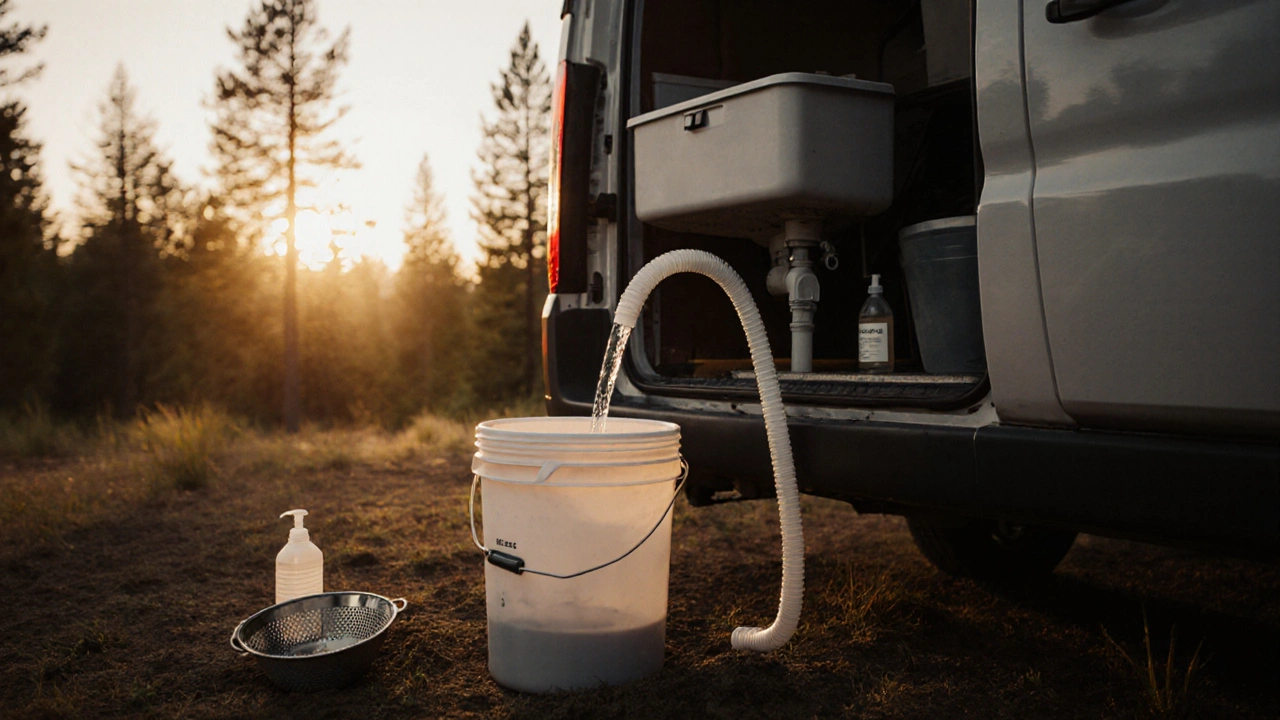
Learn practical, legal, and odor-free ways to handle grey and black water in your van. Skip bulky tanks and learn what van lifers actually use to live off-grid without sewage headaches.