Inventory Gaps: What They Are and How They Affect Your Car Repair Plans
When you need a part for your car and it’s just not available, that’s an inventory gap, a shortage of critical auto parts that delays repairs because suppliers can’t meet demand. Also known as parts shortage, it’s not just an inconvenience—it can leave your vehicle stranded for weeks while you wait for a replacement.
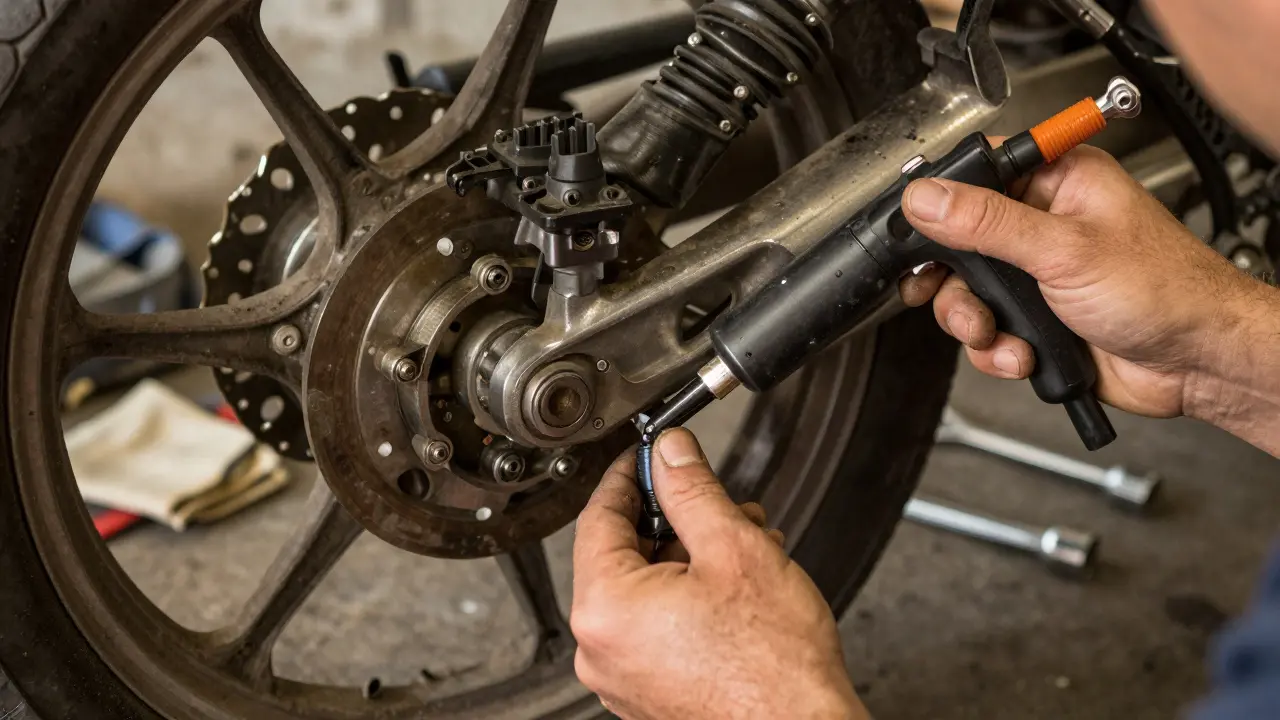
These gaps aren’t random. They often happen with wheel speed sensors, critical components in ABS and traction control systems that are prone to failure and have complex supply chains, or ABS modules, expensive electronic units that are rarely stocked by local shops and must be ordered from limited distributors. Even common items like truck bed liners, custom-fit protective coatings that vary by make and model and often face production bottlenecks can disappear for months after a supply chain disruption. These aren’t just niche issues—they’re real roadblocks for anyone trying to fix their own car or keep a fleet running.
Why does this matter? If you’re planning a repair based on a part being easy to get, you’re setting yourself up for frustration. A inventory gap doesn’t just mean waiting longer—it means paying more. Rush orders, substitute parts that don’t fit right, or towing fees add up fast. And if you’re relying on warranty approval, missing maintenance records or using non-OEM parts because the original is unavailable could void your claim. This isn’t theoretical. We’ve seen it in posts about vehicle repossession, where delayed repairs due to parts shortages push people further behind on payments. Or in van life safety, where a broken water pump or faulty propane valve can’t be fixed because the exact part is out of stock.
The good news? You’re not powerless. Knowing which parts are most likely to have gaps helps you plan ahead. If your car’s ABS light is on, don’t wait until it fails completely. Check for wheel speed sensors now. If you’re prepping for overlanding, don’t wait until you’re on a dirt road to find out your suspension parts are backordered. Stock up on common wear items before they vanish. Keep your maintenance records tight—some suppliers prioritize customers with documented service histories. And always have a backup plan: aftermarket alternatives, used parts from trusted sources, or even temporary fixes that keep you safe until the real part arrives.
Below, you’ll find real stories and solutions from people who’ve dealt with these exact gaps—whether it’s tracking down a rare Lamborghini part, fixing a telematics system after a firmware update broke compatibility, or figuring out how to keep a hybrid running when the regenerative braking sensor is out of stock. These aren’t just repair guides—they’re survival tips for anyone who depends on their vehicle to work when they need it to.

Dealer-to-Dealer Trades: How to Fill Inventory Gaps Quickly
- 11 Comments
- Nov, 28 2025
Dealer-to-dealer trades let auto dealers quickly fill inventory gaps by swapping vehicles directly with other dealers. Learn how to use this fast, low-cost method to turn slow sellers into high-demand stock.