Recall Registration: What You Need to Know About Car Safety Recalls
When a car manufacturer finds a safety issue with a model, they issue a recall registration, a formal process where owners are notified and offered free repairs to fix dangerous defects. Also known as a vehicle recall, it’s not optional—it’s a legal requirement for manufacturers to fix problems that could lead to crashes, fires, or injuries. If you don’t register your vehicle with the manufacturer after a recall notice, you’re leaving yourself and others at risk. Many people ignore these notices, thinking their car still "runs fine," but a faulty airbag, brake line, or steering component doesn’t always show warning signs until it’s too late.
Recall registration isn’t just about getting a free repair. It’s about connecting your vehicle’s VIN to the manufacturer’s system so they know you’ve been notified and can track whether the fix was completed. Without this step, you might never get the repair—even if you bring your car in for service. Dealerships won’t automatically know your car has an open recall unless it’s registered in the system. And if you buy a used car, the previous owner’s failure to register a recall could mean you’re driving with a hidden danger. That’s why checking for recalls before you buy or after you move is just as important as checking the oil.
Manufacturers don’t always call you. They send letters, but those get lost, ignored, or thrown away. That’s why you should check your vehicle’s recall status yourself using the National Highway Traffic Safety Administration (NHTSA), the U.S. government agency that tracks and enforces vehicle safety recalls. Also known as DOT, it provides a free online tool where you enter your 17-digit VIN and instantly see any open recalls. This system covers everything from Takata airbags to faulty fuel pumps. It’s not just for big brands—smaller manufacturers have to report recalls too. And if you own a motorcycle, the same rules apply. Recalls aren’t just for sedans; they cover trucks, SUVs, and even electric scooters.
Once you find an open recall, register it immediately. You don’t need to wait for a letter. Call your local dealer, schedule a service appointment, and bring your VIN. The repair is free, even if your warranty expired. No deductible. No hidden fees. The manufacturer pays. But if you skip this, you’re stuck with the cost—and the risk. Some recalls take months to fix due to parts shortages, so don’t delay. And if you’ve already had the repair done, keep the receipt. That’s your proof it was completed, and it helps if another recall pops up later.
What you’ll find below are real stories and guides from drivers who’ve dealt with recalls—from the frustrating delays to the life-saving fixes. You’ll learn how to check for recalls on used cars, what to do if a dealer refuses to honor one, and why some recalls are ignored even when the danger is clear. These aren’t theory pieces. They’re practical, real-world advice from people who’ve been there.
How to Register for Vehicle Recall Alerts and Notifications
- 9 Comments
- Dec, 2 2025
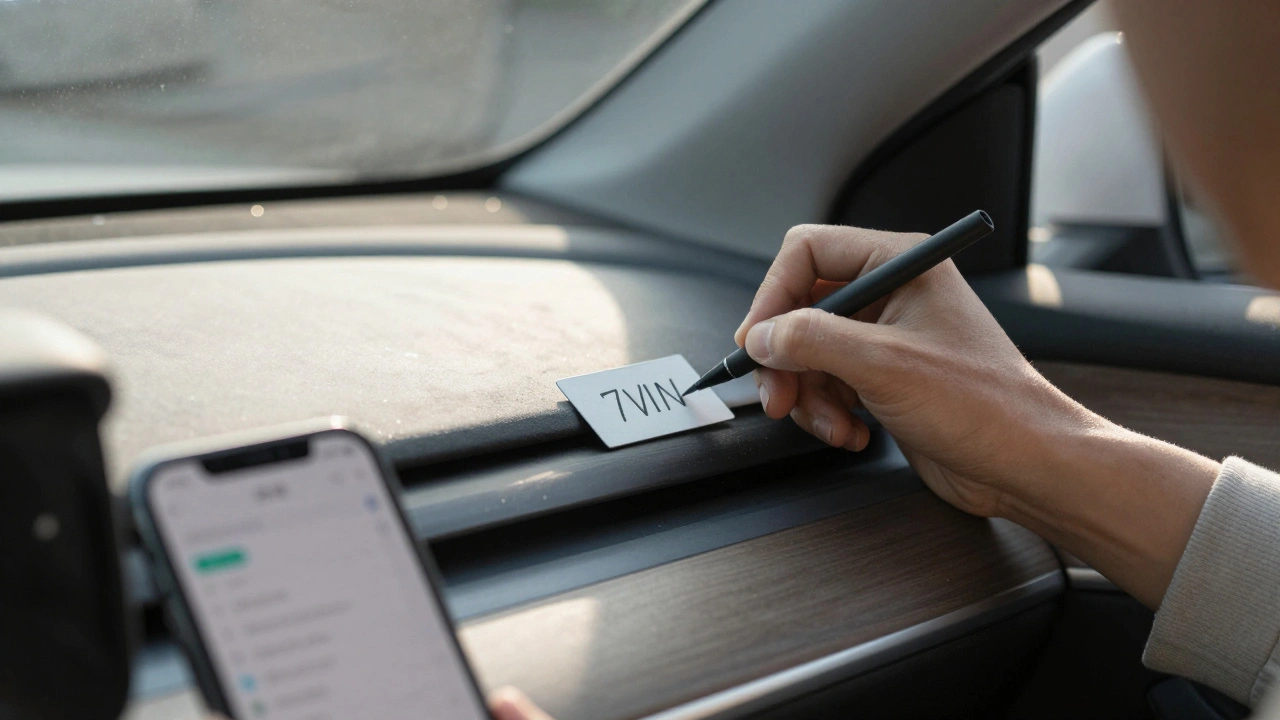
Learn how to sign up for free vehicle recall alerts using your VIN. Get email or text notifications for safety fixes from NHTSA and your carmaker to avoid dangerous defects.