Stoichiometric Ratio: What It Is and How It Affects Your Engine
When your engine burns fuel, it needs just the right amount of air to do it cleanly—that’s the stoichiometric ratio, the ideal chemical balance between air and fuel for complete combustion. Also known as the air-fuel ratio, it’s typically 14.7 parts air to 1 part gasoline by weight. Get this wrong, and your engine loses power, wastes fuel, or starts spewing out pollution.
This ratio isn’t just theory—it’s the foundation of how modern engines manage emissions, fuel economy, and performance. If you’ve ever wondered why your car’s check engine light comes on after a tune-up, or why your fuel mileage dropped after installing a new exhaust, the stoichiometric ratio, the precise balance needed for oxygen sensors to function correctly is often the culprit. Your car’s ECU constantly adjusts fuel delivery based on input from oxygen sensors, trying to hit that 14.7:1 sweet spot. Too much fuel? You’re running rich—sluggish acceleration, fouled spark plugs, and higher emissions. Too little fuel? Running lean—engine knocks, overheating, and potential damage to valves and pistons.
It’s not just about factory settings. Aftermarket modifications like performance intakes, exhausts, or turbo upgrades can throw off this balance. That’s why tuning matters. A dyno tune doesn’t just add horsepower—it recalibrates the air-fuel ratio, the actual mixture delivered to the combustion chamber under load to match your hardware. Even something as simple as switching to ethanol-blended fuel changes the stoichiometric point, because ethanol needs more air to burn than gasoline. Most modern cars handle this automatically, but older models or modified rides need manual attention.
You don’t need to be an engineer to understand this. If your car feels sluggish, smells like unburned fuel, or gets worse gas mileage all of a sudden, the stoichiometric ratio might be off. It’s one of the most overlooked yet critical factors in engine health. The posts below show how this concept shows up in real-world situations—from hybrid driving tips that rely on precise fuel metering, to how maintenance records prove your engine stayed in tune, to why certain recalls happen when sensors misread the air-fuel mix. Whether you’re a daily driver or a weekend tuner, knowing what the stoichiometric ratio does—and what happens when it’s wrong—helps you spot problems early and make smarter choices about repairs and upgrades.
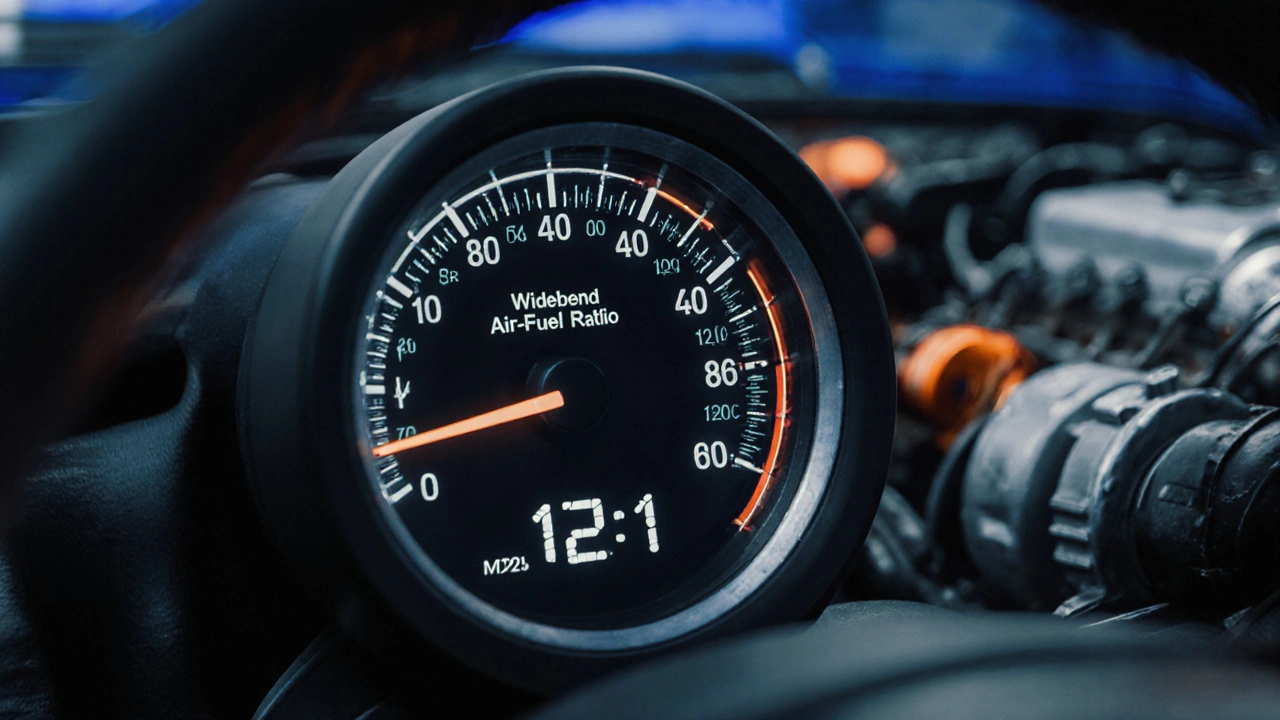
Air-Fuel Ratio Optimization for Performance and Efficiency in Engine Tuning
- 9 Comments
- Nov, 24 2025
Learn how to optimize air-fuel ratio for better engine performance and fuel efficiency. Understand lean vs rich mixtures, tuning tools, real-world examples, and common mistakes to avoid.