UMPD Coverage: What It Is, Why It Matters, and How It Protects You
When you’re hit by a driver who doesn’t have insurance—or has barely any—UMPD coverage, a type of auto insurance that steps in when the at-fault driver can’t pay. Also known as uninsured/underinsured motorist protection, it’s not just a nice-to-have; it’s often the only thing standing between you and a huge out-of-pocket bill after an accident you didn’t cause. Many drivers assume their liability insurance covers them no matter what, but that’s not true. Liability only pays for damage you cause to others. It does nothing when someone else hits you and is broke, reckless, or uninsured.
That’s where UMPD coverage, a critical safety net in your auto insurance policy. Also known as uninsured motorist property damage, it covers repairs to your car when the other driver is at fault but lacks coverage. And if the other driver is underinsured—say, they only carry the state minimum of $25,000 but your repairs cost $15,000—underinsured motorist coverage, the part of UMPD that kicks in when the other driver’s limits are too low. Also known as UIM, it fills the gap so you’re not stuck paying the difference. Without it, you’re left chasing a driver who can’t pay, or worse, filing a claim with your own collision coverage—which means paying a deductible and risking a rate hike.
UMPD coverage isn’t just about fixing your car. It also covers medical bills if you or your passengers are injured by an uninsured driver. In states where it’s optional, nearly half of drivers skip it to save a few dollars a month. But here’s the reality: over 12% of U.S. drivers are uninsured, and that number jumps to over 25% in some states. That’s more than 1 in 8 cars on the road without any insurance. If you get hit by one of them, your only real protection is UMPD.
It’s also tied to how you handle car insurance claims, the process of asking your insurer to pay for damages after an accident. Also known as auto insurance payouts, it’s the step that determines whether you get back on the road quickly or wait months while arguing with adjusters. With UMPD, you file one claim with your own insurer, and they handle chasing down the at-fault driver. Without it, you’re dealing with a deadbeat driver, a broken-down car, and no clear path to getting paid.
And here’s the kicker: UMPD doesn’t just help after a crash. It gives you peace of mind when you’re driving in areas with high rates of uninsured drivers—like urban centers or rural zones where people let policies lapse. It’s not flashy, it’s not marketed with commercials, but it’s one of the most practical layers of protection you can add to your policy. You don’t need a luxury car to need it. You don’t need to drive every day to need it. You just need to be on the road.
Looking at the posts here, you’ll find real-world advice on what to do after an accident, how to file claims without getting lowballed, and how to avoid common insurance traps. You’ll see how maintenance records affect warranty claims, how to spot bad used cars before you buy, and how to protect yourself from financial fallout when things go wrong. All of it connects back to one thing: making sure you’re covered when you need it most. UMPD coverage isn’t about hoping for the best. It’s about planning for the worst—and having a plan that actually works.
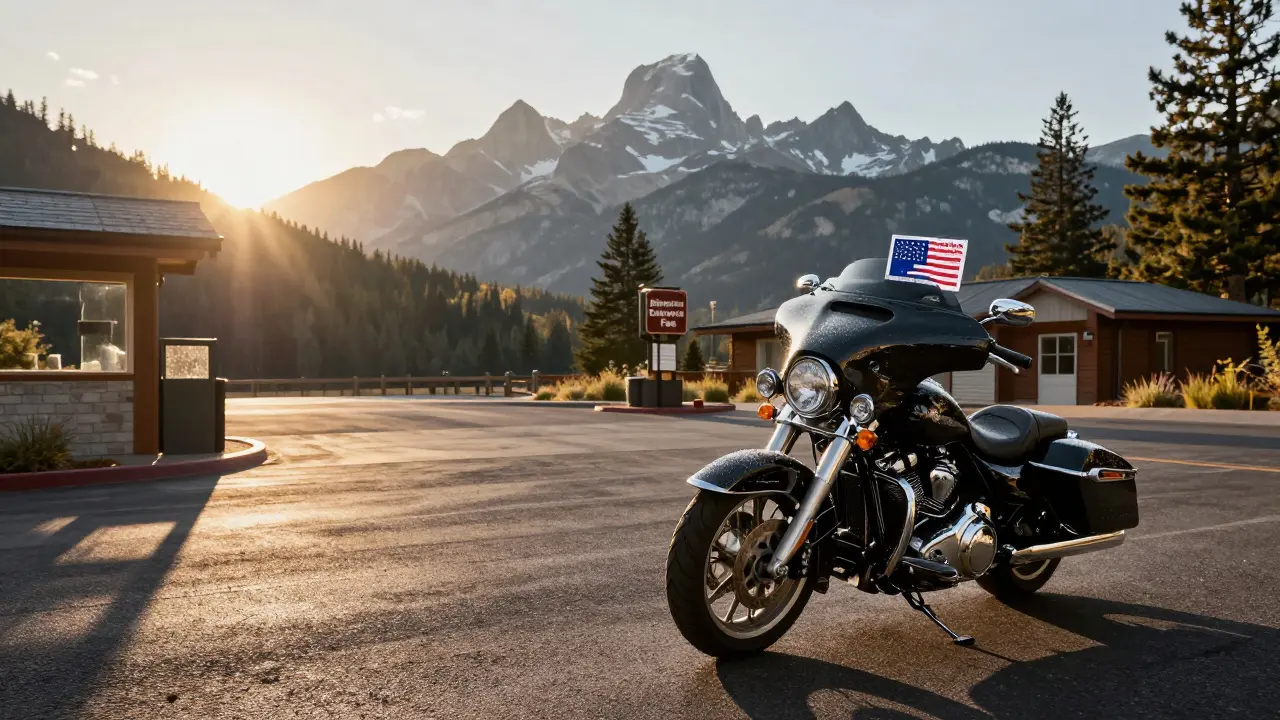
Uninsured Motorist Property Damage for Motorcycles: Do You Need It?
- 13 Comments
- Dec, 3 2025
Uninsured motorist property damage protects your motorcycle if hit by an uninsured driver. Learn how it works, how much it costs, and why it's a must-have for riders-even in states where it's not required.