Used Car Inspection: What to Check and How to Avoid Costly Mistakes
When you're buying a used car inspection, a thorough evaluation of a vehicle’s condition before purchase to uncover hidden issues and verify its true value. Also known as a pre-purchase vehicle check, it’s the single best way to avoid turning a cheap deal into a money pit. Too many buyers skip this step and end up paying for someone else’s neglect—bad transmissions, frame rust, or engine trouble that shows up weeks after the sale.
A real used car inspection isn’t just a quick glance under the hood. It’s a process that looks at the car’s history, mechanical health, and structural integrity. Key areas like the engine, the core power unit that converts fuel into motion, and often the most expensive part to repair, transmission, the system that transfers engine power to the wheels, prone to failure if not properly maintained, and frame and suspension, the backbone of the car that affects handling, safety, and long-term reliability need close attention. You can’t trust a clean-looking interior or shiny paint. A car with low mileage might have been driven hard. A car with high mileage might have been babied. Only a detailed inspection tells you the truth.
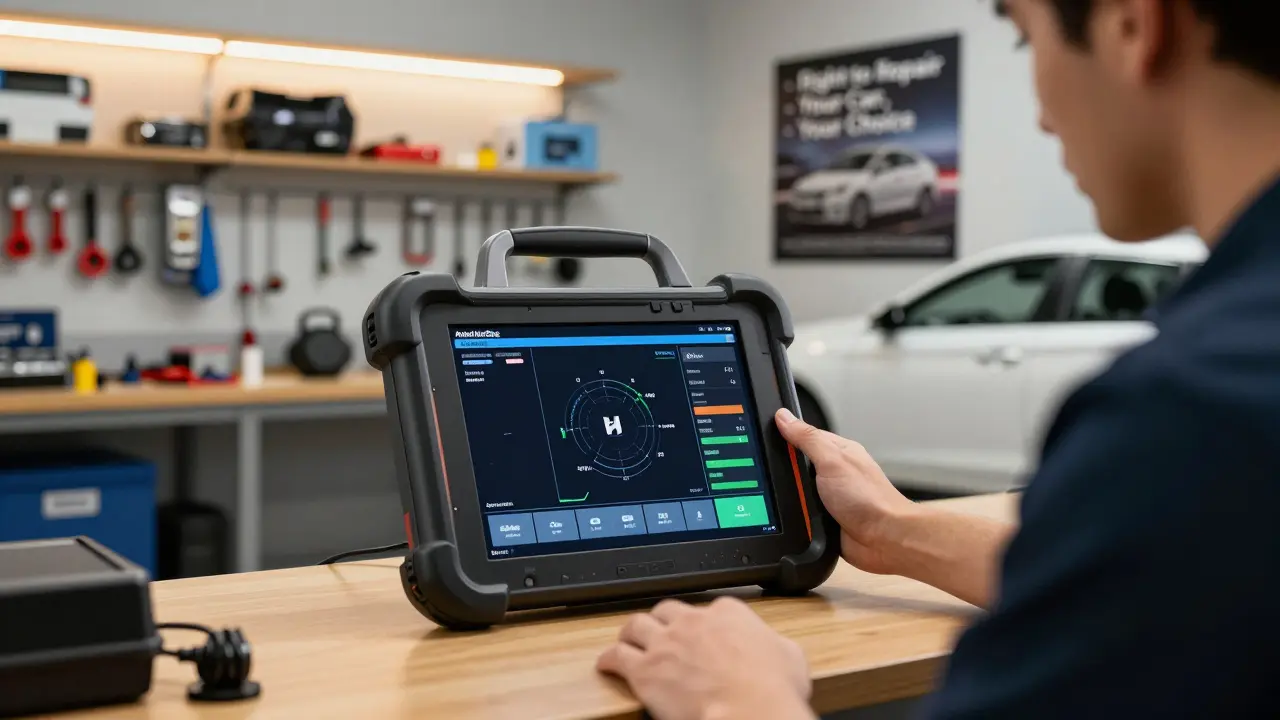
What you’re really looking for are signs of neglect or damage that don’t show up on the title or the seller’s pitch. Is there oil under the engine? Are the tires wearing unevenly? Do the doors close with a solid thud, or do they feel loose? Are there mismatched panels or uneven gaps—signs of past accident repairs? Even small things like a sticky brake pedal or a check engine light that’s been reset can point to bigger problems. A professional inspector uses tools like a code scanner, lift, and moisture meter to find what your eyes miss. And if the seller won’t let you take it to a mechanic? That’s a red flag bigger than any dent.
This isn’t about scaring you off used cars—it’s about making smart choices. The right inspection can save you thousands, or help you negotiate a fair price. You’ll know exactly what you’re getting, whether it’s a daily driver, a weekend cruiser, or a project car. The posts below cover exactly what to check, how to read diagnostic codes, what to ask a mechanic, and how to spot flood damage, odometer fraud, and other tricks sellers use. You’ll find real examples, step-by-step checklists, and advice from people who’ve been burned—and learned the hard way. No fluff. No sales pitches. Just what you need to walk away with a car that won’t break your bank.
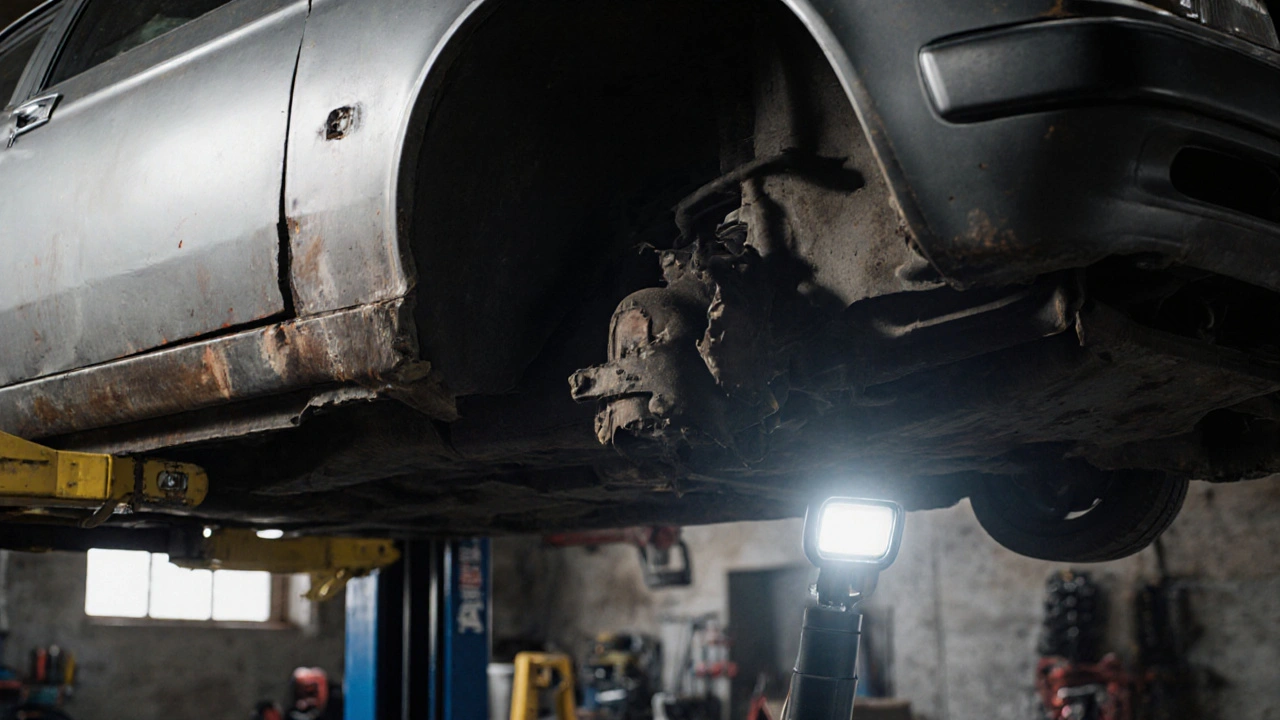
When to Walk Away from a Used Car: Deal-Breaker Issues
- 10 Comments
- Nov, 29 2025
Learn the top deal-breaker issues to watch for during a used car inspection. Avoid costly repairs and safety risks by knowing when to walk away from a bad used car.