Van Life Insulation: Best Ways to Stay Warm and Quiet on the Road
When you live in a van, van life insulation, the process of adding materials to a van to control temperature, reduce noise, and prevent condensation. Also known as thermal insulation for vans, it’s not optional—it’s the difference between sleeping comfortably and shivering in your sleeping bag. Without it, your van turns into an oven in summer and a freezer in winter. Condensation builds up, mold grows, and your battery drains faster trying to heat or cool the space. Real van lifers don’t guess at insulation—they pick materials that actually work.
There are three big types of insulation that show up again and again in van builds: rigid foam boards, dense, easy-to-cut panels like polyiso or XPS that block heat transfer, reflective radiant barriers, thin aluminum sheets that bounce heat away from windows and metal surfaces, and spray foam, a messier but highly effective option that fills gaps and seals air leaks. Each has trade-offs. Foam boards are cheap and easy to install yourself. Reflective barriers help with solar heat gain but don’t stop cold from creeping in. Spray foam gives the best seal but can trap moisture if not used right. Most van lifers combine them—foam on the walls, radiant barrier on the windows, and a little spray foam around edges.
It’s not just about heat. Soundproofing a van matters just as much. The metal shell of a van turns every bump, raindrop, or passing truck into a loud drumbeat. Adding mass-loaded vinyl or acoustic foam cuts that noise dramatically. You’ll sleep better, talk to your partner without yelling, and finally hear your music without cranking the volume. And don’t forget ventilation. Insulation traps moisture. Without proper airflow—like a roof vent or a small fan—you’ll end up with mold behind your panels, no matter how good your insulation is.
People who skip insulation think they’re saving money. They’re not. They’re just spending more on propane, batteries, and medical bills from colds caught in a freezing van. The right insulation pays for itself in fuel savings, comfort, and peace of mind. Below, you’ll find real-world setups from van lifers who’ve tested every material, made every mistake, and figured out what actually lasts. No fluff. No marketing hype. Just what works when you’re parked in the mountains at 20 below.
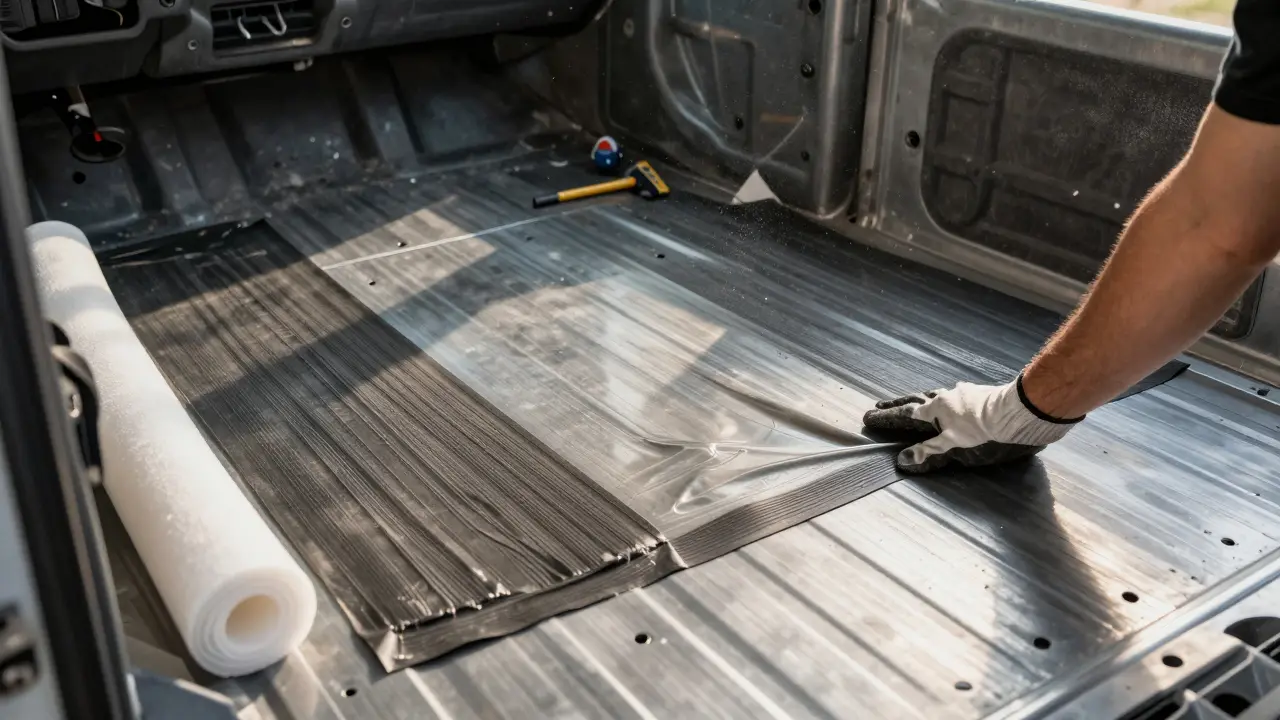
Van Soundproofing: Best Road Noise Reduction Materials for Van Life
- 9 Comments
- Jan, 15 2026
Reduce road noise in your van with proven soundproofing materials like damping sheets, mass loaded vinyl, and closed-cell foam. Learn what works, what doesn’t, and how to install it for better sleep and comfort on the road.
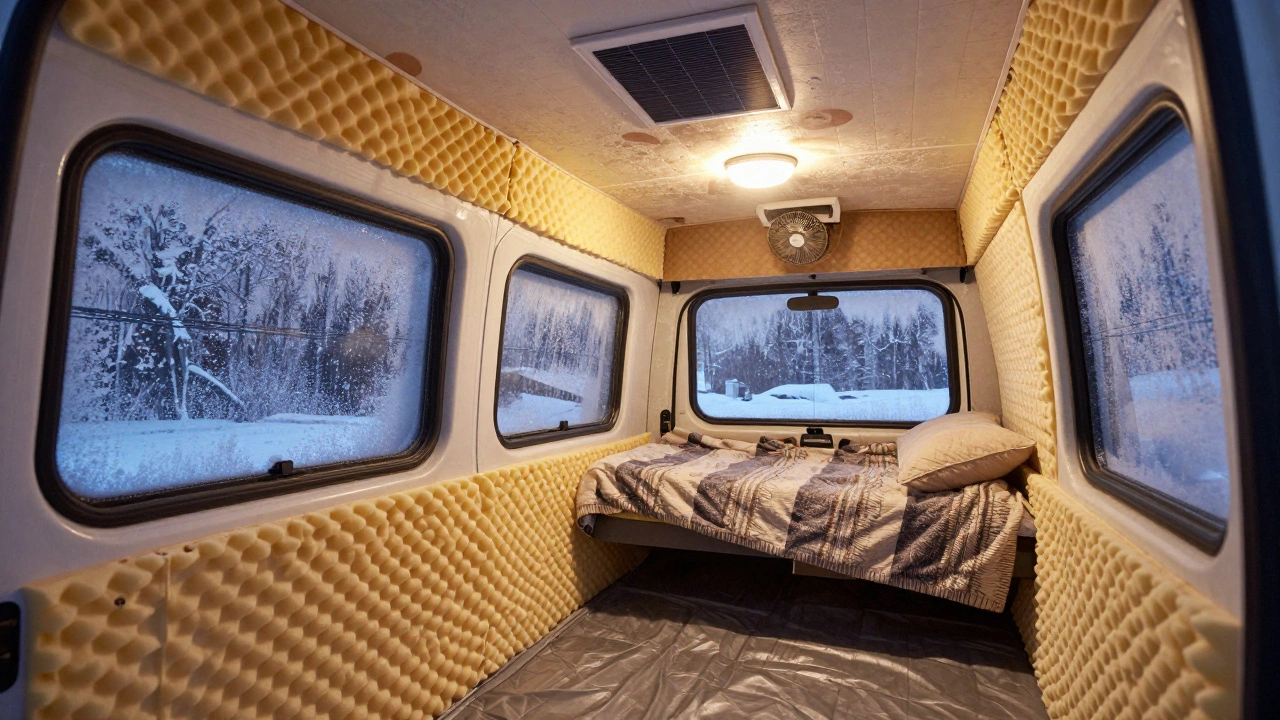
Van Insulation: Stay Warm in Winter and Cool in Summer Without Breaking the Bank
- 9 Comments
- Dec, 4 2025
Learn how to insulate your van for year-round comfort using the best materials in 2025. Save money, avoid condensation, and stay warm in winter and cool in summer with proven DIY methods.