Wheel Speed Sensor: What It Does and Why It Matters for Your Car
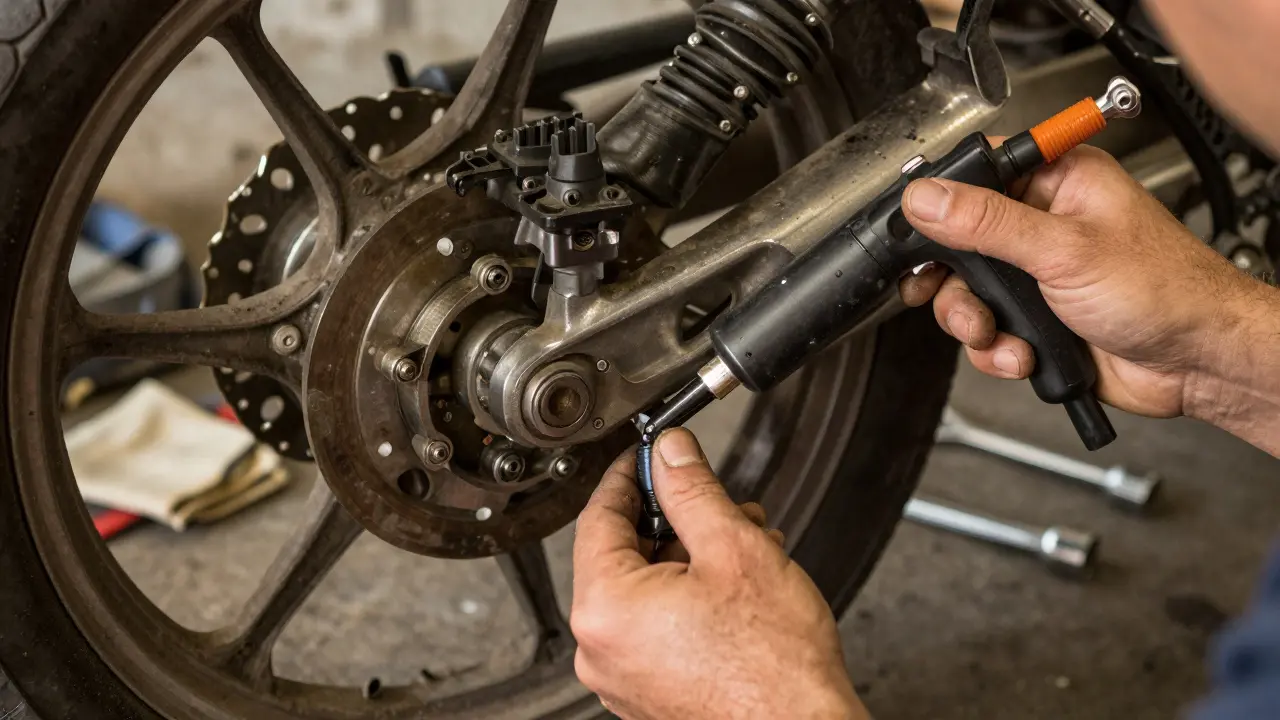
When your car’s wheel speed sensor, a small device that measures how fast each wheel rotates and sends that data to the car’s computer. Also known as ABS sensor, it’s one of the quietest but most vital parts in modern vehicle safety systems. Without it, your anti-lock brakes won’t work right, your traction control might shut off unexpectedly, and your stability system could fail in a skid. It’s not flashy, but if it breaks, your car becomes a lot less safe—especially in rain, snow, or emergency stops.
This sensor works hand-in-hand with your ABS system, a safety feature that prevents wheels from locking up during hard braking and your traction control, a system that stops wheels from spinning when accelerating on slippery surfaces. Both rely on real-time data from the wheel speed sensor to know when a tire is losing grip. If the sensor gives bad data, the computer thinks a wheel is spinning or locking when it’s not—and that’s when your car might not respond the way you expect. You might feel a pulsing brake pedal even when you’re not braking hard, or get a warning light on your dash that says "ABS Fault" or "Stability Control Off."
Most failures happen because of dirt, rust, or damaged wiring. The sensor sits right next to the wheel hub, where road grime, salt, and water get thrown around constantly. Over time, metal shavings or debris can stick to the sensor tip and throw off its reading. A loose or broken wire is another common culprit—especially on older cars or trucks that drive on rough roads. It’s not usually the sensor itself that breaks, but the connection to it. And here’s the thing: even if your brakes feel fine, a bad wheel speed sensor can still cause problems with your cruise control, transmission shifting, or even your odometer.
Replacing a faulty sensor isn’t expensive, but ignoring it can lead to bigger issues. If your ABS doesn’t work during a panic stop, you could lose control. If traction control shuts off on ice, your tires might spin and you could slide. These aren’t hypothetical risks—they’re real dangers backed by crash data from the NHTSA. And while your car might still drive without a working sensor, it’s driving without one of its main safety nets.
What you’ll find below are real-world stories and fixes from people who’ve dealt with this exact problem. From diagnosing a flickering ABS light to swapping out a sensor on a 10-year-old Honda, these posts cover the steps, tools, and mistakes to avoid. Whether you’re a DIYer or just trying to understand what your mechanic is talking about, this collection gives you the facts you need to keep your car safe—and avoid unnecessary repairs.

ABS Warning Light On? Here's What's Really Happening with Your Wheel Speed Sensors and Modules
- 12 Comments
- Nov, 26 2025
The ABS warning light usually means a problem with your wheel speed sensors or ABS module. Learn how these parts work, what causes them to fail, and how to fix it safely and affordably.