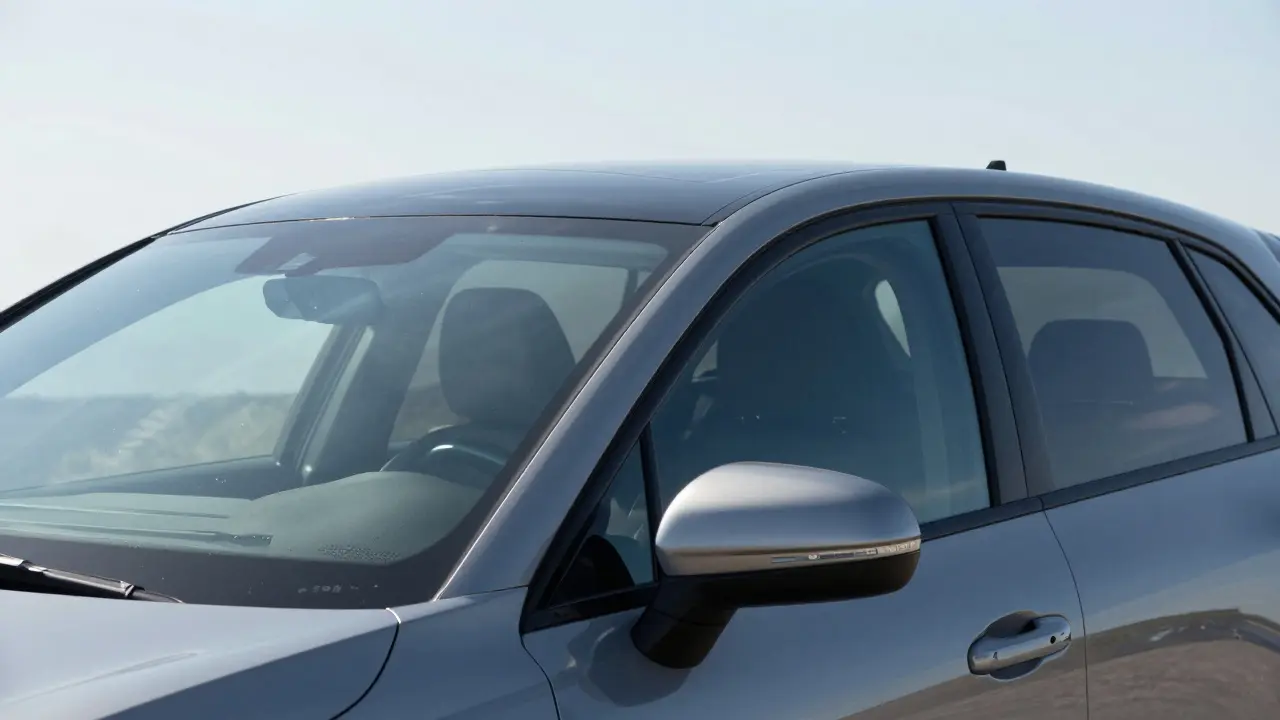
When you think about window tinting, you probably picture sleek, dark windows that make your car look cool. But there’s more to it than style. Window tinting can boost privacy, reduce heat, and even protect your skin from UV rays. But here’s the catch: window tinting isn’t just a customization choice-it’s regulated by law. And if you get it wrong, you could face fines, forced removal, or even a failed inspection.
What Exactly Is Window Tinting?
Window tinting is a thin, laminated film applied to the inside of your car’s glass. It’s made of polyester and embedded with dyes, metals, or ceramic particles that block light, heat, and UV radiation. Not all films are the same. Basic dye-based tints fade over time. Metalized tints reflect heat better but can interfere with radio signals. Ceramic tints, the premium option, block heat without affecting signals and last longer.
The key number you need to know is VLT-Visible Light Transmission. It tells you how much visible light passes through the tint. A 5% VLT means only 5% of light gets through-super dark. A 70% VLT lets in most light, barely noticeable. Most states set legal limits based on VLT percentages, and they vary by window location.
Why People Tint Their Windows
Privacy is the biggest reason. Darker windows make it harder for people to see inside your car. That means less chance of someone spotting your wallet, phone, or laptop on the seat. It also deters smash-and-grab theft. A study by the National Highway Traffic Safety Administration found that vehicles with tinted windows had 23% fewer break-ins in urban areas.
Heat reduction is another major benefit. In Fort Collins, summer temperatures regularly hit 90°F. Without tint, your car’s interior can hit 140°F. A good ceramic tint can reduce cabin heat by up to 60%, making your AC work less and saving fuel. UV protection matters too. Up to 99% of harmful UV rays are blocked by quality tint, reducing skin damage and fading your dashboard and seats.
Legal Limits by Window Location
Every state sets its own rules, and they’re not the same for front windows, side windows, or rear windows. The federal government doesn’t regulate tint-so it’s all up to state law. Here’s how it breaks down in most U.S. states:
| Window Location | Most Common Legal VLT Limit | Strictest States | Most Permissive States |
|---|---|---|---|
| Front Windshield | 70%+ (non-tinted strip only) | California, Michigan | Florida, Arizona |
| Front Side Windows | 50%-70% | Massachusetts (35%), New Jersey (35%) | Arizona (35%+), Texas (25%+) |
| Rear Side Windows | 20%-35% | New York (35%) | Florida (20%), Texas (15%) |
| Rear Window | 20%-35% | Illinois (35%) | Colorado (20%), Nevada (20%) |
In Colorado, where Fort Collins is located, the law says front side windows must allow at least 27% VLT. Rear windows can be as dark as you want-as long as you have dual side mirrors. That’s one of the more flexible rules in the country. But if you’re driving into Wyoming or Nebraska, your rear tint might be fine at home, but illegal across the border.
What Happens If You Go Over the Limit?
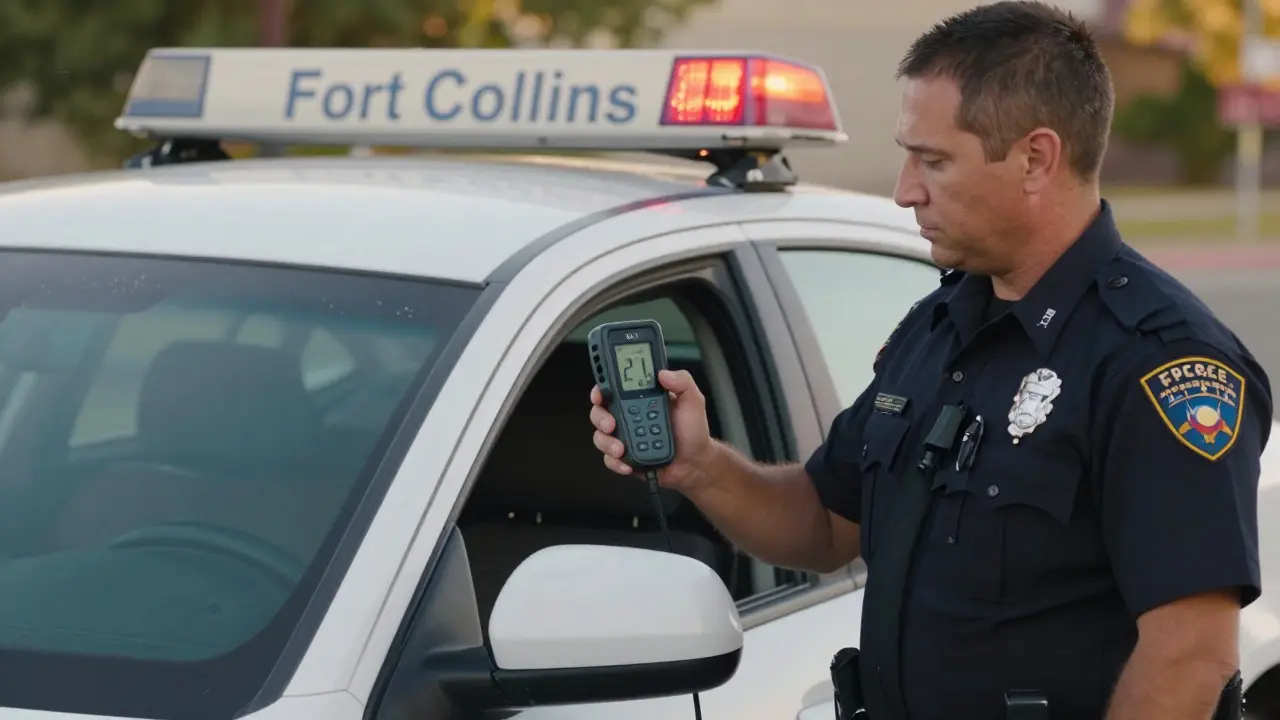
Pulling over for a tint violation isn’t rare. Police officers use tint meters-small handheld devices that measure VLT on the spot. If your front windows are too dark, you’ll likely get a citation. Fines range from $50 to $500 depending on the state and repeat offenses. Some states, like Ohio and Pennsylvania, require you to remove the tint before you can renew your registration.
But here’s the twist: many people don’t realize that even legal tint can get you in trouble if it’s applied poorly. Bubbles, peeling edges, or reflective surfaces can be flagged as unsafe. Some states ban reflective or mirrored tints entirely because they blind other drivers. In Texas, for example, any tint that looks like a mirror is illegal, regardless of VLT percentage.
How to Stay Legal and Get the Best Tint
Follow these steps to avoid trouble:
- Check your state’s exact law-don’t rely on what a shop says. Visit your state’s DMV website. Search for “vehicle window tint laws.”
- Get a professional install. DIY kits often fail. Professionals use heat guns to shrink film, avoid bubbles, and know how to cut around defroster lines.
- Ask for a certificate. Reputable installers provide a compliance certificate showing the VLT percentage and product model. Keep it in your glovebox.
- Test before you drive. Use a VLT meter (available online for under $50) to double-check your tint after installation.
- Know your exceptions. Medical exemptions exist in many states for conditions like lupus or photosensitivity. You’ll need a doctor’s note and special permit.
Best Tint for Privacy Without Breaking the Law
If you want privacy but can’t go below your state’s legal limit, go for ceramic tint. It doesn’t darken the glass more than necessary-it blocks more heat and UV light per percentage of VLT. A 35% ceramic tint looks lighter than a 35% dye-based tint because it doesn’t rely on color to block light. It works by reflecting infrared radiation.
For rear windows, you can go darker legally in most states. That’s where you get the privacy boost. Combine a 20% rear tint with a 35% front side tint and you’ll have strong privacy without risking a ticket.
What About Factory Tint?
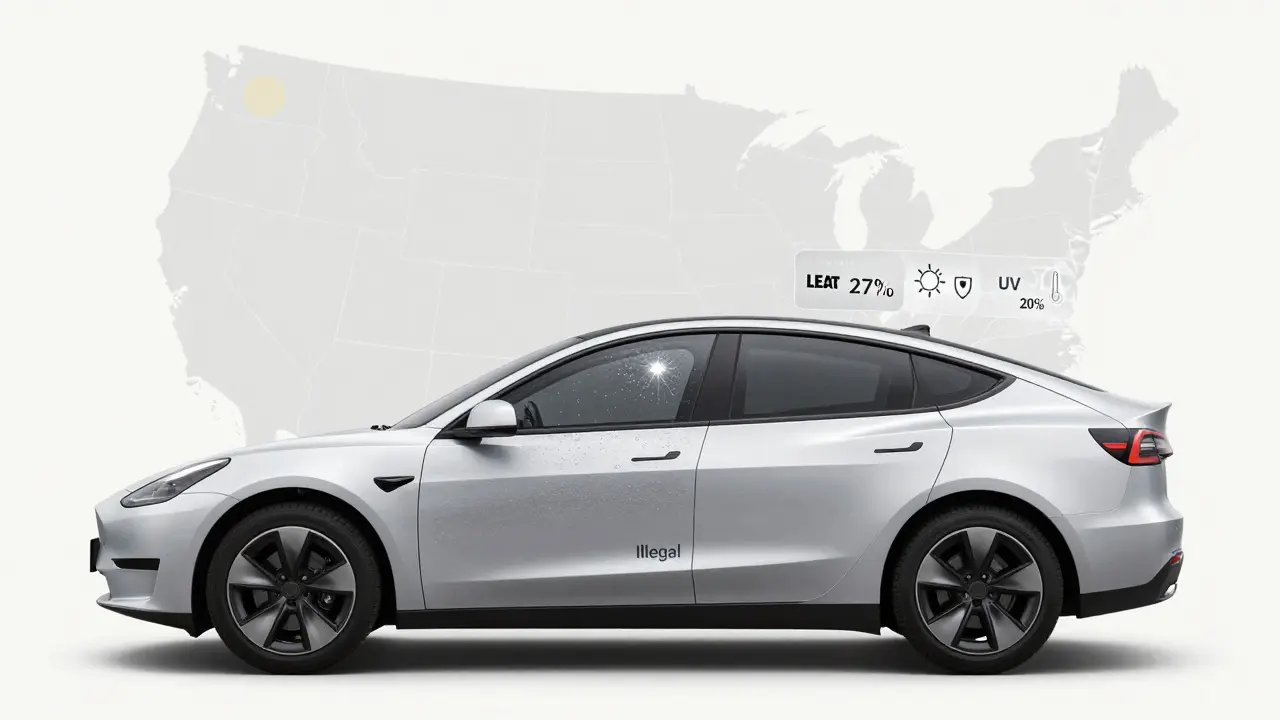
Many new cars come with factory-tinted glass. But here’s the trick: factory tint isn’t the same as film. It’s colored glass made during manufacturing. The VLT percentage is built into the glass itself. In most cases, factory tint meets legal limits-but not always. A 2019 Consumer Reports test found that some luxury SUVs had rear windows at 18% VLT, which is illegal in states like New York and New Jersey.
If you buy a used car with dark factory tint, check your state’s rules before driving it out of state. You might need to remove it or get a medical exemption.
Common Myths About Window Tinting
- Myth: Darker tint = better UV protection. Truth: A 70% ceramic tint blocks 99% of UV rays. Color doesn’t matter-material does.
- Myth: Tint helps with nighttime visibility. Truth: Too dark reduces night vision. That’s why front windows have stricter limits.
- Myth: Police can’t tell if your tint is illegal without a meter. Truth: Officers are trained to spot violations by sight. A dark front window is an instant red flag.
Final Thoughts
Window tinting is one of the easiest ways to improve comfort and security in your car. But it’s not a free-for-all. The rules exist for safety-so you can see clearly at night, and so police can see inside during traffic stops. You don’t have to sacrifice privacy to stay legal. With the right film, professional install, and awareness of your state’s limits, you can have both.
Before you head to the shop, take five minutes to look up your state’s law. A small check now saves you a fine, a headache, and maybe even a ticket you didn’t see coming.
Is it legal to tint my front windows in Colorado?
Yes, but only if the tint allows at least 27% Visible Light Transmission (VLT). This applies to both driver and passenger front side windows. The windshield can only have a non-reflective tint strip along the top, no more than 5 inches down. Rear windows and the back windshield have no VLT restrictions in Colorado as long as you have dual side mirrors.
Can I get a medical exemption for darker tint?
Many states, including Colorado, allow medical exemptions for conditions like lupus, photophobia, or skin cancer that make sunlight exposure dangerous. You need a signed letter from a licensed physician stating the medical need and the required VLT level. You must carry this document in your vehicle at all times. Some states issue a special permit or sticker to display on your window.
Does factory tint count toward legal limits?
Yes. Factory-tinted glass is treated the same as aftermarket film. If your car’s rear windows are 15% VLT and you’re in a state that requires 35%, you’re still in violation-even if the tint was installed by the manufacturer. Always verify your vehicle’s VLT with a meter if you’re unsure.
What’s the difference between ceramic and carbon tint?
Ceramic tint uses non-metallic ceramic particles to block infrared heat without affecting radio or GPS signals. It’s more expensive but lasts longer and doesn’t fade. Carbon tint uses carbon particles, which are good at blocking heat but can fade over time and may interfere slightly with electronics. Ceramic is the better long-term choice for both performance and legality.
Can I tint my windows myself and still be legal?
You can, but it’s risky. DIY kits often result in bubbles, improper adhesion, or uneven application-all of which can be flagged during a traffic stop. Even if the VLT is correct, a poorly installed tint can be deemed unsafe. Most states require tint to be smooth, bubble-free, and not obstruct the driver’s view. Professional installation is the safest way to ensure compliance.

Nikhil Gavhane
February 24, 2026 AT 07:15Rajat Patil
February 24, 2026 AT 16:04deepak srinivasa
February 26, 2026 AT 11:28pk Pk
February 26, 2026 AT 12:48NIKHIL TRIPATHI
February 28, 2026 AT 07:26Shivani Vaidya
February 28, 2026 AT 23:08Rubina Jadhav
March 1, 2026 AT 16:08sumraa hussain
March 2, 2026 AT 15:54Raji viji
March 4, 2026 AT 01:19Rajashree Iyer
March 5, 2026 AT 19:14Parth Haz
March 7, 2026 AT 08:13Vishal Bharadwaj
March 7, 2026 AT 20:19anoushka singh
March 9, 2026 AT 02:44Jitendra Singh
March 9, 2026 AT 04:15