Dealership Inventory: How Car Dealers Manage Stock and Why It Matters to You
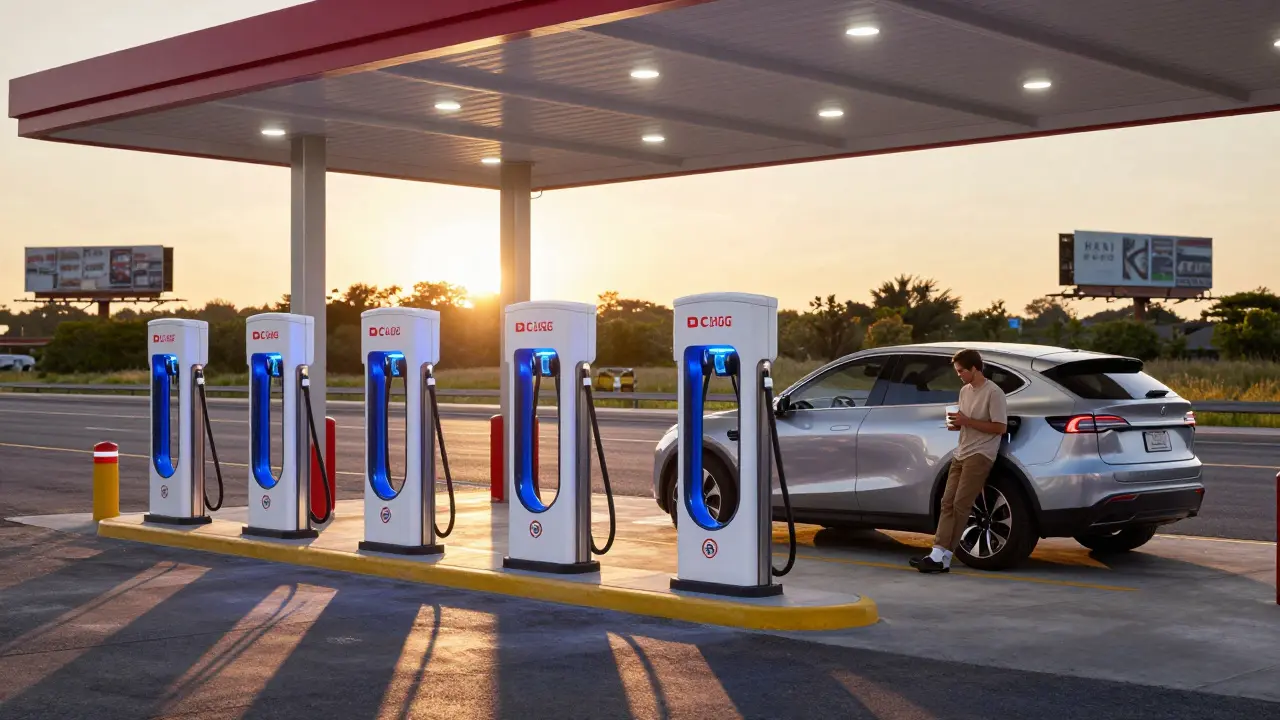
When you walk into a dealership, what you see on the lot is just the tip of the iceberg. Behind the scenes, dealership inventory, the collection of vehicles a dealership holds for sale at any given time. Also known as auto dealership inventory, it’s a carefully managed system that balances supply, demand, and profit margins. This isn’t just about having enough cars—it’s about having the right cars, at the right time, in the right place. A bad inventory decision can mean slow sales, deep discounts, or even lost customers. A smart one? That’s how dealers turn slow-moving models into hot sellers without spending a dime on advertising.
One of the smartest tools in a dealer’s toolkit is dealer-to-dealer trades, a direct exchange of vehicles between dealers to fill gaps without buying from auctions or manufacturers. If a dealer in Florida has too many snowmobile-style SUVs and needs more convertibles for summer, they don’t wait for a shipment—they call a dealer in California who’s got too many convertibles and not enough SUVs. It’s fast, cheap, and keeps inventory fresh. This system keeps used car inventory, the collection of pre-owned vehicles available for sale at a dealership. moving efficiently across the country. You might not realize it, but this is why you sometimes walk into a dealership and find exactly the model you’ve been searching for—even if it’s not in their usual stock.
What does this mean for you as a buyer? Plenty. When inventory is tight, prices go up. When dealers have too much of one thing, they slash prices to clear it. Knowing how car inventory, the total number and variety of vehicles a dealership holds for sale. shifts helps you time your purchase. Want a good deal? Look for dealers with high inventory turnover—they’re more likely to negotiate. Want a specific model? Check if it’s been traded in from another region. Dealers don’t always advertise these swaps, but they happen constantly. And if you’ve ever wondered why some dealerships seem to always have the right cars while others don’t—it’s not luck. It’s inventory management.
Behind every successful dealership is a team tracking what sells, what doesn’t, and what’s coming next. They watch trends like electric vehicle demand, seasonal shifts, and even local weather patterns. A dealership in Minnesota won’t stock the same cars as one in Miami. And with tools like telematics and sales data analytics, they’re getting better at predicting what you’ll want before you even walk in. This isn’t guesswork—it’s science. And the more you understand how it works, the less likely you are to get stuck paying too much for the wrong car.
Below, you’ll find real-world breakdowns of how dealers move inventory, what happens when they get it wrong, and how you can use their strategies to your advantage. No fluff. Just the facts that help you buy smarter.

Inventory Forecasting for Dealerships Based on Market Trends
- 8 Comments
- Dec, 1 2025
Learn how to forecast auto inventory using real market trends, not guesswork. See what drives demand, which tools actually work, and how to cut excess stock in 7 days.