EV Battery Life: How Long Do Electric Vehicle Batteries Last and What Affects Them?
When you buy an EV battery life, the total usable lifespan of the rechargeable battery pack in an electric vehicle, typically measured in years or charge cycles before capacity drops below 70%. It's not just a number—it's the core of your electric car’s value, range, and long-term cost. Most modern EVs come with batteries designed to last 10 to 15 years, but real-world performance varies. If you’ve ever worried your EV will lose range like a phone battery, you’re not alone. The truth is, EV batteries degrade slower than most people think—but they’re not invincible.
What actually wears out an electric vehicle battery, the high-capacity lithium-ion pack that powers an EV, replacing the internal combustion engine as the primary energy source? It’s not just mileage. Frequent fast charging, letting the battery drop to 0% or stay at 100% for days, and extreme heat are the real killers. A study by AAA found that EVs charged mostly on DC fast chargers lost 10% more capacity over 5 years than those using Level 2 chargers. And if you live in Arizona or Florida, your battery is working harder in the heat—just like your AC. On the flip side, keeping your battery between 20% and 80% most of the time can add years to its life. Most manufacturers offer an 8-year, 100,000-mile warranty, but many batteries outlast that with proper care.
battery degradation, the gradual loss of capacity in a battery over time due to chemical wear, temperature, and charging habits isn’t linear. You might lose 2% in the first year, then only 0.5% per year after that. That means even after 10 years, your EV might still have 85% of its original range. And if you’re thinking about resale value, that matters. Cars with well-maintained batteries hold their value better—think Toyota, Hyundai, and Tesla owners who report less than 10% degradation after 150,000 miles. It’s not magic. It’s habits.
Then there’s EV range, the distance an electric vehicle can travel on a single charge, which directly depends on battery health, driving style, and environmental conditions. Cold weather? Range drops. Aggressive acceleration? Range drops. Towing? Range drops even more. But here’s the thing: range anxiety is often based on worst-case scenarios. Most drivers use less than 40 miles a day. Even with 15% degradation, your 250-mile EV still gives you 210 miles—more than enough for daily life. The real issue isn’t range. It’s understanding how to protect your battery so your range doesn’t shrink faster than it needs to.
And don’t forget battery warranty, the manufacturer’s guarantee covering battery capacity loss beyond a certain threshold, usually 70% of original capacity within a set time or mileage. It’s your safety net. But warranties don’t cover normal wear—they cover defects. That means if your battery drops to 65% after 6 years because you charged it to 100% every night, you’re on your own. Keep your charging habits smart, track your range over time, and save your receipts. That’s how you turn a warranty from fine print into real protection.
What you’ll find below aren’t just articles about EVs. These are real stories from people who’ve driven tens of thousands of miles in their electric cars. They’ve tracked battery health, fought range loss in winter, and learned how to make their batteries last. Whether you’re thinking about buying an EV, already own one, or just want to know if the battery will outlast the car—this collection gives you the facts, not the hype.
Electric Vehicles: Range, Charging, and Total Cost of Ownership
- 4 Comments
- Mar, 13 2026
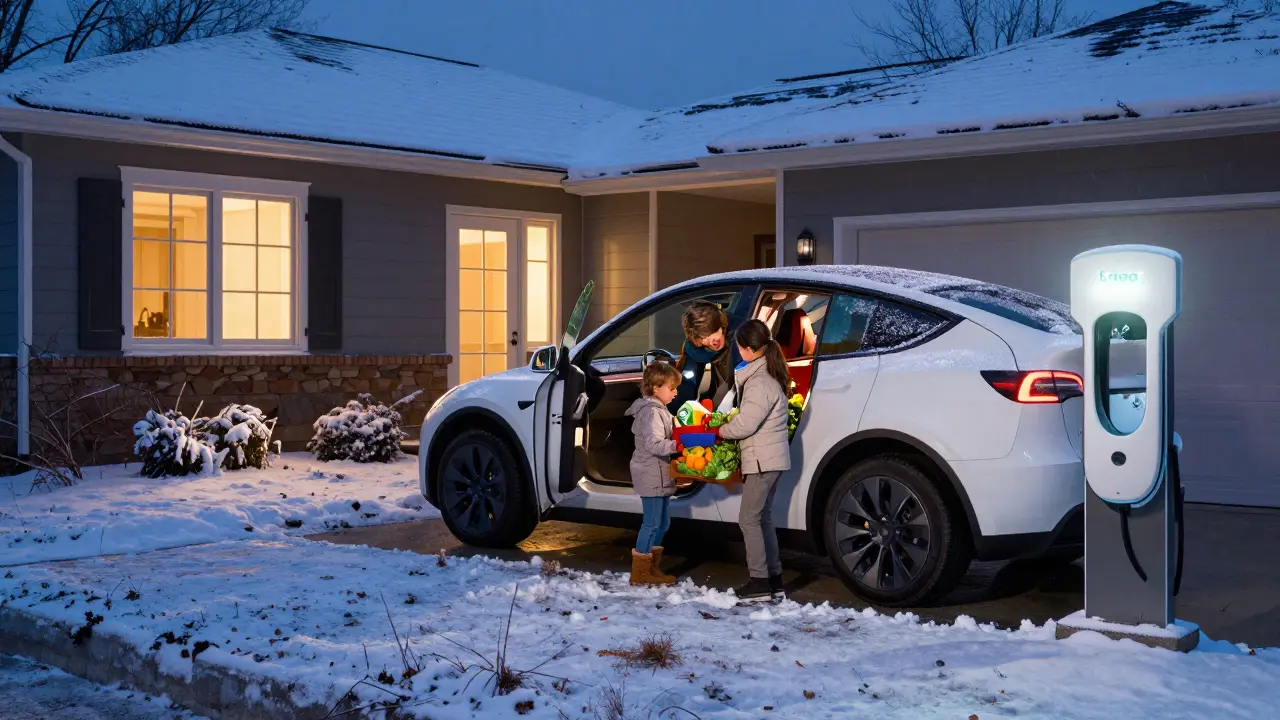
Electric vehicles offer real savings on fuel and maintenance, but range and charging matter. Learn how far EVs actually go, where to charge, and why total cost of ownership beats gas cars over time.
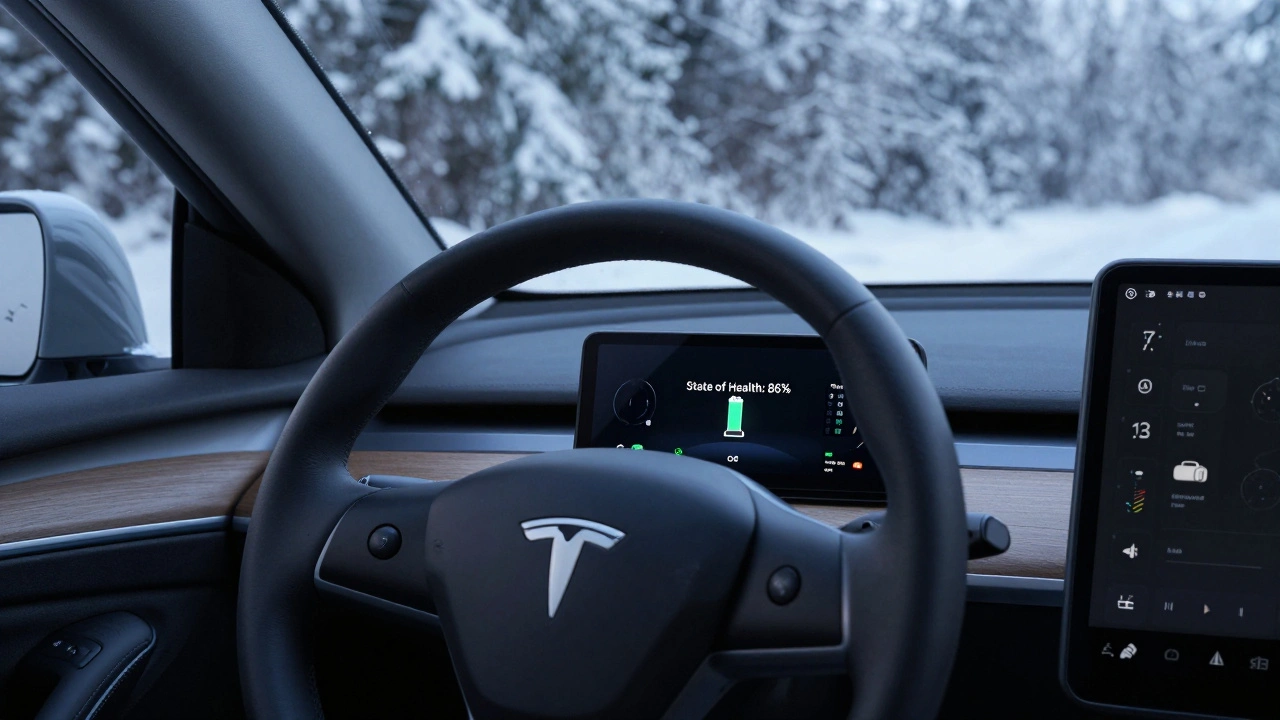
EV Battery Explained: Capacity, Range, and Degradation
- 13 Comments
- Dec, 4 2025
Understand how EV battery capacity, range, and degradation really work-what affects them, how to measure them, and how to make your battery last longer without overpaying or overcharging.