Vehicle Recall Alerts: Stay Safe and Avoid Costly Repairs
When a vehicle recall alert, a formal notice from a car manufacturer or government agency about a safety defect that needs fixing. Also known as safety recall, it's not just paperwork—it's a lifeline that could prevent a crash, fire, or brake failure. These alerts aren’t optional. They’re issued because something in your car could fail without warning, putting you and others at risk. The National Highway Traffic Safety Administration (NHTSA) tracks over 20 million recalled vehicles every year, and nearly half of them are never fixed. That’s not just negligence—it’s a ticking time bomb on wheels.
Most recalls happen because of defects in airbags, inflatable safety devices that deploy during crashes to protect occupants, brake systems, the mechanism that stops your vehicle, often compromised by faulty sensors or fluid leaks, or electrical wiring, the network of wires and connectors that power critical functions like lights, sensors, and engine control units. A faulty airbag might explode with too much force, a brake line could leak under pressure, or a short in the wiring could start a fire while you’re parked. These aren’t hypotheticals. Real people have been injured or killed because they ignored a recall notice.
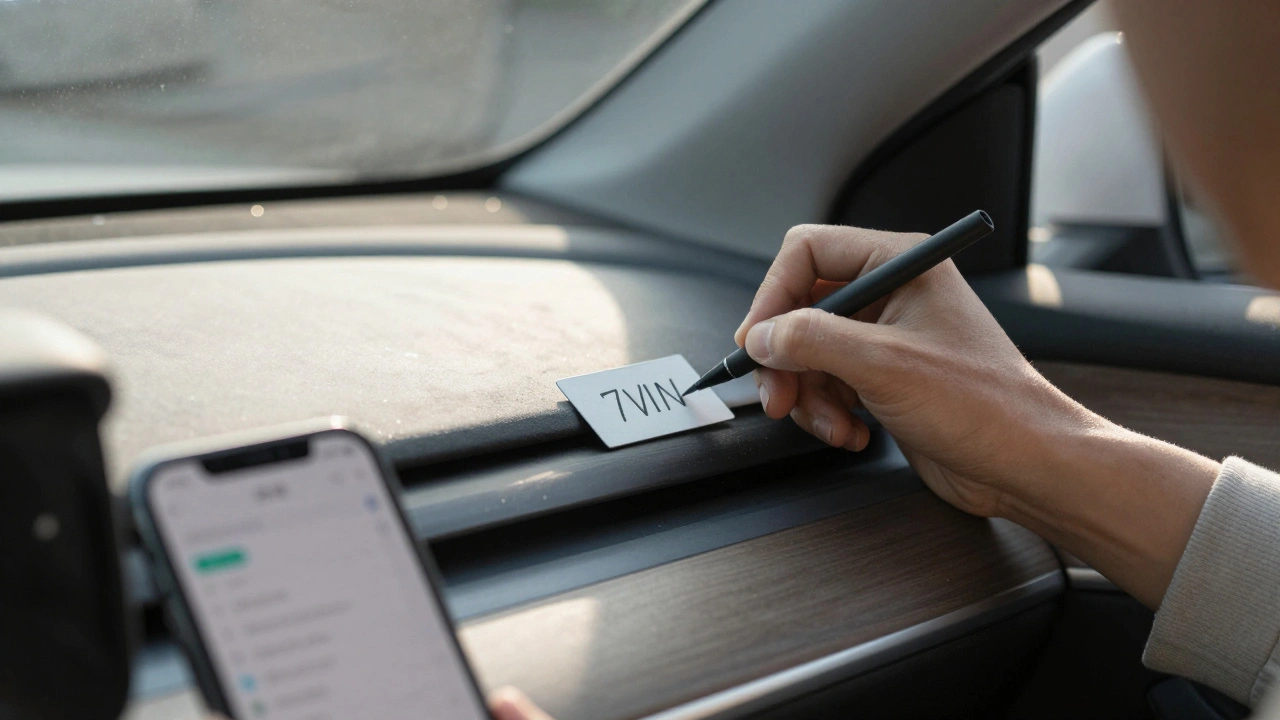
Checking for recalls isn’t hard, but most people never do it. You don’t need to wait for a letter in the mail. Just visit the NHTSA website and enter your VIN—the 17-digit number on your dashboard or driver’s side door jamb. Within seconds, you’ll know if your car has an open recall. And here’s the kicker: repairs are free. The manufacturer pays for parts and labor, no matter how old the car is. If you bought a used car last month, it might still carry a recall from five years ago. That’s why maintenance records matter—not just for warranty claims, but for safety too.
Some recalls affect entire model years. Others target a single batch of parts made during a specific week. That’s why you can’t rely on the year or model alone. Your VIN is the only sure way to know. And if you’ve had a part replaced recently, double-check that it wasn’t a recalled component. A mechanic might have fixed your brake light, but if the wiring harness behind it was part of a 2021 recall, you’re still at risk.
Ignoring a recall doesn’t just put you in danger—it can void your insurance claim. If you’re in an accident and the investigation finds you were driving with a known, unrepaired defect, you could be held partially responsible. That means higher out-of-pocket costs, even if the other driver was at fault.
Every post in this collection is built around real-world cases, fixes, and warnings tied to vehicle recall alerts. You’ll find how motorcycle recalls differ from car recalls, what to do when a recall doesn’t fix the problem, how to track recalls on older models, and why some manufacturers delay fixes for months—even years. These aren’t theoretical guides. They’re based on actual repair logs, owner reports, and safety investigations. If you own a car, truck, or motorcycle, you need to know what’s hidden in your vehicle’s history. Don’t wait for the letter. Don’t assume it’s not your problem. Check your VIN. Fix it now. The next recall alert might be the one that saves your life.
How to Register for Vehicle Recall Alerts and Notifications
- 9 Comments
- Dec, 2 2025
Learn how to sign up for free vehicle recall alerts using your VIN. Get email or text notifications for safety fixes from NHTSA and your carmaker to avoid dangerous defects.