Vehicle Safety Alerts: What You Need to Know About Car Warnings and Systems
When your car flashes a warning light, it’s not just a nuisance—it’s a vehicle safety alert, a real-time signal from your car’s systems that something needs attention to prevent accidents or failures. Also known as driver warning systems, these alerts are designed to catch problems before they turn into crashes or breakdowns. Ignoring them can cost you more than money—it can cost you safety.
These alerts don’t work alone. They’re part of a network of systems like ABS warning light, a signal that your anti-lock brake sensors or module are malfunctioning, which stops your wheels from locking up during hard stops. Then there’s traction control, a system that prevents wheel spin on wet or icy roads by reducing engine power or applying brakes to individual wheels. These aren’t just tech buzzwords—they’re lifesavers. And when your motorcycle gets recalled for a faulty brake line or a helmet fails a crash test, that’s another kind of vehicle safety alert—one you need to act on fast.
Modern cars don’t just warn you—they track you. telematics, the tech that sends real-time data from your car to manufacturers or fleet managers, can detect hard braking, sudden acceleration, or even a crash and alert emergency services. But it’s not just for commercial fleets. Your personal car might be doing the same thing, quietly collecting data on how you drive. That’s why checking for motorcycle recalls, official notices from manufacturers about dangerous defects isn’t optional—it’s basic responsibility. A faulty sensor, a worn brake pad, a defective airbag—all of these can trigger a warning, and if you don’t know what they mean, you’re driving blind.
Some alerts are obvious—like a flashing light on your dash. Others are quieter: a strange vibration, a smell of burning rubber, or your car pulling to one side. These aren’t "maybe it’s nothing" moments. They’re signals. And the difference between fixing them early and waiting until it’s too late is often just a few days. Whether you’re riding a motorcycle in the rain, hauling gear for an overland trip, or just commuting in heavy traffic, vehicle safety alerts are your first line of defense. The posts below give you the real, no-fluff breakdowns of what these warnings mean, how to respond, and what parts actually fail—and how to fix them before you’re stranded or hurt.
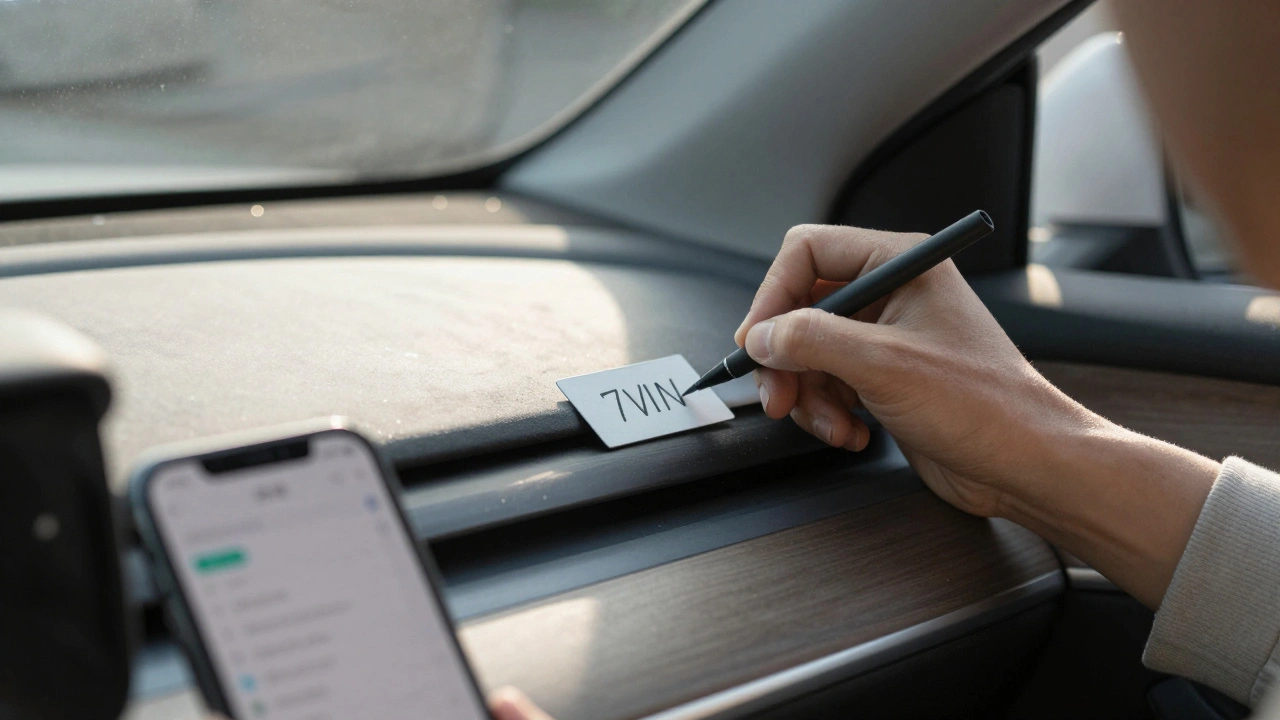
How to Register for Vehicle Recall Alerts and Notifications
- 9 Comments
- Dec, 2 2025
Learn how to sign up for free vehicle recall alerts using your VIN. Get email or text notifications for safety fixes from NHTSA and your carmaker to avoid dangerous defects.